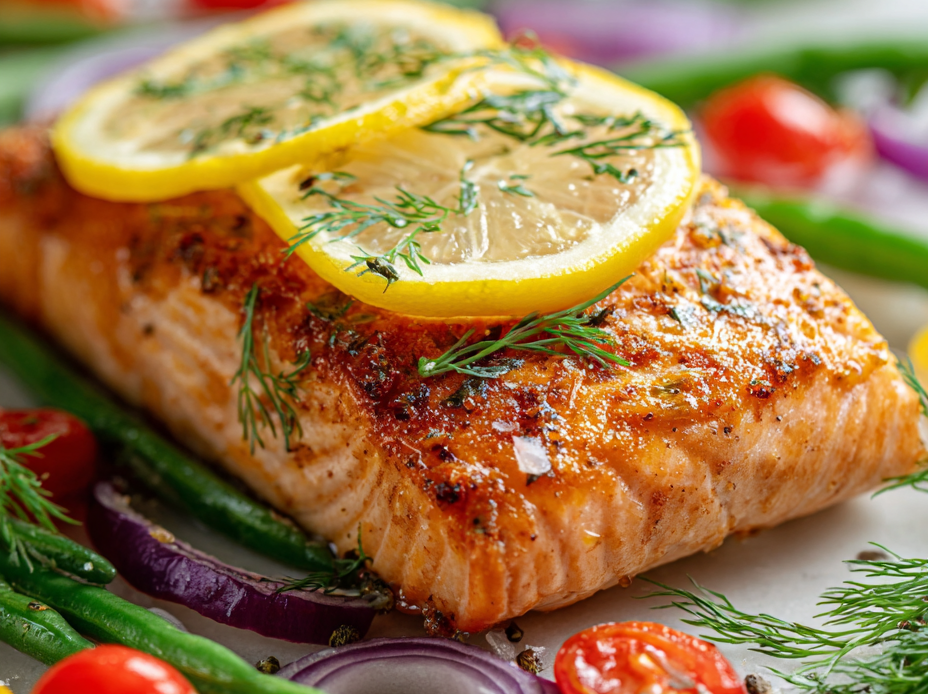
This baked salmon recipe is all about letting the fish speak for itself. No fancy sauces, no complicated techniques—just a simple, honest approach that highlights the salmon’s natural richness. It’s perfect for busy nights when you want something nourishing and straightforward, but still crave a bit of that flaky, tender texture.
What I love most is how the oven does most of the work. A quick seasoning, a hot oven, and a few minutes later, you’ve got a beautifully cooked fillet that’s moist inside with a slightly crisp edge. It’s honestly surprising how much flavor you can get from just a few everyday ingredients and a steady hand.
This recipe has become my go-to after countless experiments with different cooking methods. I’ve found that baked salmon retains its moisture better than pan-frying or grilling, especially when you keep the heat gentle and consistent. Plus, the smell of baking fish, with hints of lemon and herbs filling the kitchen, never fails to make the evening feel a little special, even on the busiest days.
Focusing on how a simple oven-baked method can bring out the salmon’s natural richness, making it accessible for busy weeknights without sacrificing flavor or texture.
Unlocking Salmon’s Natural Flavor
- I love how this recipe simplifies weeknight dinners without sacrificing flavor or texture.
- Cooking salmon this way fills my kitchen with a bright, lemony aroma that lifts everyone’s mood.
- There’s a quiet pride in mastering a technique that keeps the fish tender and flaky every single time.
- It’s a relief to know I can get a healthy, satisfying meal on the table in under 30 minutes.
- This dish has become a nostalgic reminder of weekend brunches with family, now easily recreated on busy nights.
The story behind this recipe
- This recipe came about during a busy week when I wanted something nourishing but didn’t want to fuss with complicated techniques. I realized that baking salmon simply with a few herbs and lemon preserves its natural flavor and keeps the fish tender without much effort. It’s honest cooking, the kind that feels comforting after a long day, and surprisingly impressive for guests or just myself on a quiet night.
- I remember the first time I nailed this method—an oven filled with the bright scent of lemon, herbs, and melting butter, while the fish stayed perfectly flaky. It’s become my fallback for when I need a meal that’s both straightforward and special. Every time I see that golden crust and smell that fresh citrus, I’m reminded how simple ingredients can create something truly satisfying.
- heading
- story_type
Historical and Cultural Insights
- Salmon has been a staple in coastal communities for thousands of years, prized for its rich flavor and omega-3 content.
- The practice of baking fish in the oven became popular in the 20th century as a healthier alternative to frying or smoking.
- In Scandinavian countries, baked salmon is often seasoned with dill and served with rye bread, reflecting local flavors and traditions.
- Modern baking methods emphasize gentle heat to retain moisture, a technique refined over decades for perfect flaky texture.
- This simple oven-baked approach aligns with contemporary trends towards minimalism and clean eating, showcasing natural flavors.
Ingredient breakdown
- Salmon fillets: I prefer wild salmon for its richer flavor and firmer texture, but farmed works just fine if that’s what you find. Look for bright, firm fish with shiny skin and no discoloration.
- Olive oil: A good drizzle of extra virgin olive oil adds a fruity aroma and helps the skin crisp up nicely. Skip if you want a leaner profile, but don’t skimp on flavor.
- Lemon: Fresh lemon juice brightens everything up, with a zesty, tangy punch. A squeeze before baking and a few slices on top make all the difference.
- Herbs: I use thyme or dill—whichever I have in the fridge. They release fragrant oils that mingle with the fish, giving a subtle herbal aroma. Dried herbs won’t quite do the same, so fresh is best.
- Garlic: Minced garlic adds a mellow, aromatic warmth. If you’re sensitive, use less; if you love punch, go heavy. It mellows and sweetens as it bakes.
- Salt & pepper: Simple, but crucial. I prefer sea salt and freshly cracked black pepper. It enhances the fish’s natural flavor without overpowering.
- Optional: a splash of white wine or a pat of butter can add richness, but I like to keep it straightforward—just good fish, seasoned well, and baked to perfection.
Spotlight on key ingredients
Salmon fillets:
- I look for bright, firm flesh with shiny skin. They behave predictably, staying moist and flaky if cooked properly.
- Lemon: Fresh lemon juice brightens the fish with a zesty punch. During baking, lemon slices release aromatic oils that enhance the flavor and add a smoky brightness.
Fresh herbs:
- Olive oil: I prefer extra virgin for its fruity aroma and ability to crisp the skin. It helps prevent sticking and adds richness during baking.
- Herbs: Fresh thyme or dill release fragrant oils that mingle with the fish, giving a subtle herbal aroma. Dried herbs don’t quite capture the same freshness.
Notes for ingredient swaps
- Dairy-Free: Use coconut cream instead of butter for a rich, dairy-free finish that adds a subtle sweetness.
- Herb Variations: Swap dill for basil or parsley—each offers a different aromatic twist, but keep fresh herbs for the best flavor.
- Citrus Alternatives: Lime or orange zest and juice can replace lemon, giving a different brightness and slight sweetness.
- Oil Choices: Avocado oil or grapeseed oil can replace olive oil—both have high smoke points and neutral flavors.
- Salt Type: Kosher salt for a milder, crunchier saltiness; fine sea salt for a more delicate seasoning.
- Flavor Boost: A splash of white wine or sherry can add complexity—use sparingly to avoid overpowering the fish.
- Sweet Touch: A drizzle of honey or maple syrup before baking can add a caramelized glaze, balancing the savory notes.
Equipment & Tools
- Baking sheet: To hold and bake the salmon evenly.
- Parchment paper or silicone mat: To prevent sticking and make cleanup easier.
- Pastry brush: To lightly oil and season the fish.
- Lemon squeezer or juicer: To extract fresh lemon juice.
- Fish spatula or wide spatula: To handle the delicate fillets when serving.
- Instant-read thermometer: To check doneness precisely.
Step-by-step guide to baking salmon
- Preheat your oven to 200°C (390°F). Line a baking sheet with parchment or lightly oil it. Have your ingredients ready—salmon fillets, olive oil, lemon slices, herbs, and seasonings.
- Pat the salmon dry with paper towels. Place fillets skin-side down on the prepared baking sheet. Lightly brush with olive oil, then season generously with salt and pepper.
- Sprinkle chopped herbs over the fillets and squeeze fresh lemon juice on top. Place lemon slices on or around the fish for extra brightness.
- Bake on the middle rack for about 12-15 minutes. Check around the 10-minute mark. The fish should be opaque and flake easily with a fork. If it’s still translucent, give it a few more minutes.
- a. If the top is not golden after baking, broil on high for 1-2 minutes—watch closely to avoid burning. b. If the fish is overcooked, it will be dry; next time, reduce baking time slightly. c. If skin isn’t crispy enough, broil for a minute or crisp it up on the stovetop briefly.
- Remove from oven and let rest for 2-3 minutes. Plate carefully, spoon any pan juices over the fish, and garnish with additional herbs or lemon if desired.
Let the salmon rest for a couple of minutes to allow juices to redistribute. Finish with a squeeze of lemon or a sprinkle of fresh herbs. Serve with your favorite sides, like roasted veggies or a simple salad.
How to Know It’s Done
- Fish flakes easily with a fork and is opaque all the way through.
- Surface is lightly golden, especially around the edges.
- Internal temperature reaches about 62°C (145°F) when tested with a probe.
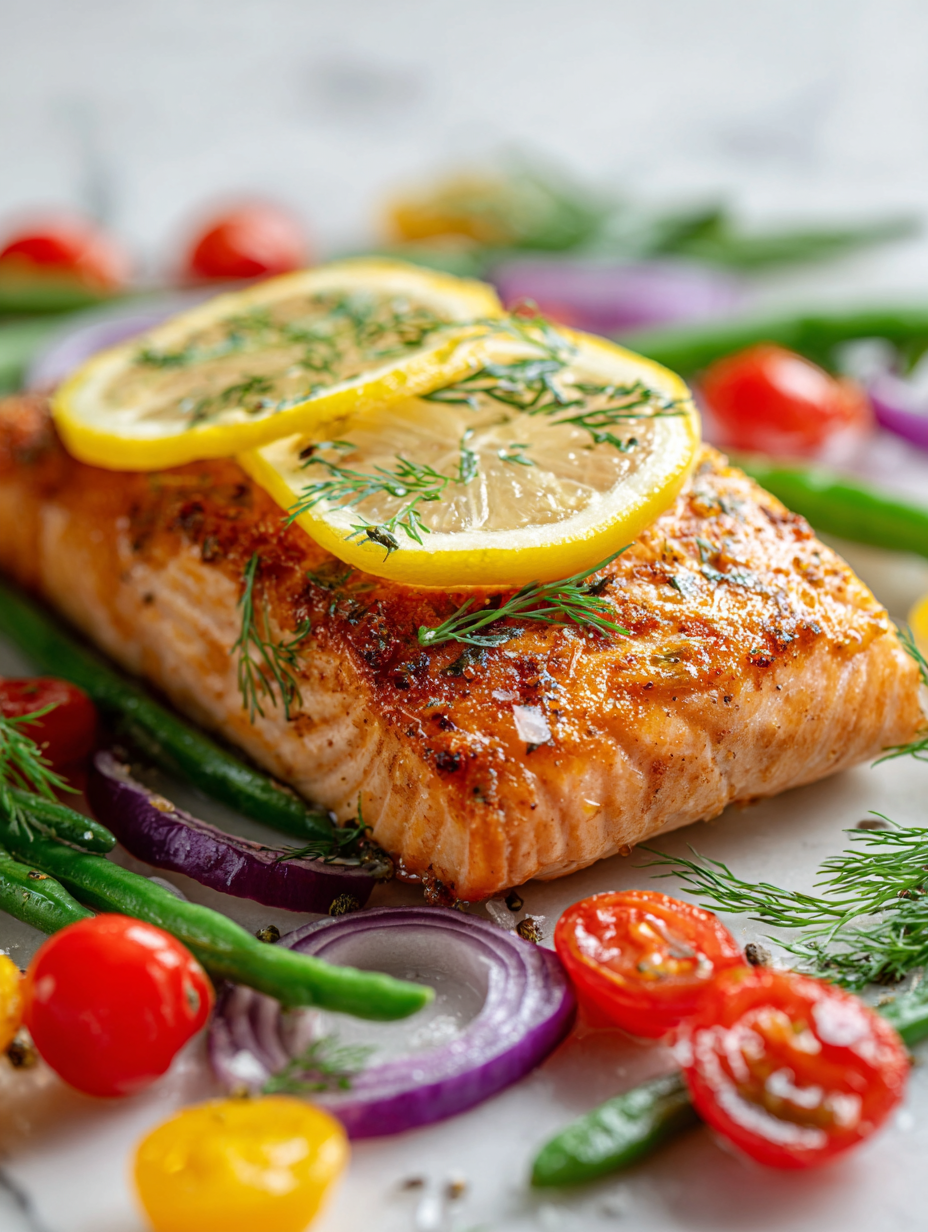
Simple Oven-Baked Salmon
Ingredients
Equipment
Method
- Preheat your oven to 200°C (390°F). Line a baking sheet with parchment paper or a silicone mat for easy cleanup. Gather your salmon fillets, lemon, herbs, garlic, and seasonings.
- Pat the salmon fillets dry with paper towels to remove excess moisture, which helps achieve a crispier skin. Place them skin-side down on the prepared baking sheet.
- Use a pastry brush to lightly coat each fillet with olive oil. This promotes even browning and prevents sticking. Sprinkle salt and pepper generously over the top.
- Squeeze fresh lemon juice over each fillet using a lemon squeezer or your hands. Place a few lemon slices on or around the fish for added flavor and aroma.
- Sprinkle chopped herbs and minced garlic evenly over the fillets. These fragrant additions will infuse the fish as it bakes.
- Bake the salmon in the middle rack for about 12-15 minutes. Check at the 10-minute mark—once the fillets turn opaque and flake easily with a fork, they’re done. For extra crispness, you can broil for 1-2 minutes, watching closely to prevent burning.
- Remove the salmon from the oven and let it rest for 2-3 minutes. This helps the juices settle, keeping the fish moist and tender.
- Use a fish spatula to carefully lift each fillet and transfer it to a serving plate. Drizzle with any pan juices and additional lemon or herbs for a fresh finish.
- Enjoy your perfectly baked salmon with your favorite sides—think roasted vegetables, a fresh salad, or fluffy rice—to complete the meal.
Notes
Pro tips for perfect baked salmon
- the skin: For crispy skin, pat the fillets dry thoroughly before oiling and seasoning.
- Brush with oil: Lightly brush the fish with olive oil to promote even browning and prevent sticking.
- Use lemon slices: Place lemon slices on top for a fragrant, zesty aroma that infuses as it bakes.
- Check doneness early: Start checking at 12 minutes; fish should flake easily and be opaque.
- Broil for crispness: Brief broiling can crisp the top if the skin isn’t quite crispy after baking.
- Rest before serving: Let the fish rest 2 minutes to allow juices to settle, keeping it moist.
- Watch the heat: Bake at 200°C (390°F); too high dries out the fish, too low undercooks it.
Common mistakes and how to fix them
- FORGOT to pat dry the salmon → Moisture causes steaming, so pat dry for crisp skin.
- DUMPED too much lemon juice → Use just a squeeze; excess can overpower delicate fish flavor.
- OVER-TORCHED the fish under the broiler → Watch closely; 1-2 minutes is usually enough to crisp the surface.
- SKIPPED resting time → Rest for 2-3 minutes to allow juices to redistribute and keep it moist.
Quick fixes and pantry swaps
- When fish sticks to the pan → Splash with a little more oil or use parchment paper.
- If fillets are uneven → Rotate halfway through baking for even doneness.
- DUMPED too much lemon → Wipe excess before baking to prevent overpowering brightness.
- Overcooked the salmon → Remove from oven as soon as it flakes easily and is opaque.
- Splash some water on the pan if it starts smoking → It cools the heat and reduces smoke.
Prep, store, and reheat tips
- You can prep the salmon fillets up to a day ahead by patting them dry, rubbing with oil, and seasoning. Keep covered in the fridge to preserve freshness and prevent drying out.
- Store baked salmon in an airtight container in the fridge for up to 2 days. The flesh will stay moist, but the texture might soften slightly. Reheat gently to avoid drying.
- For longer storage, freeze cooked salmon for up to 2 months. Wrap tightly in plastic wrap and then foil. Thaw in the fridge before reheating.
- To reheat, gently warm in a low oven (around 150°C/300°F) or in the microwave at 50% power. Watch for steam and flaking; over-reheating can make it dry and crumbly.
- The aroma of reheated salmon will be less bright, and the texture may be softer. Serve with a squeeze of lemon or fresh herbs to revive flavor.
Top questions about baked salmon
1. How do I choose good salmon fillets?
Look for firm, shiny fillets with a bright color. The flesh should be resilient when pressed. Avoid fish with a dull appearance or strong fishy smell.
2. What’s the perfect baking time and temperature?
Bake at 200°C (390°F) for about 12-15 minutes. Check if the fish flakes easily and is opaque inside. Use a thermometer for precision—around 62°C (145°F).
3. How do I season the salmon?
Apply a light coat of olive oil, season well with salt and pepper, and add lemon slices and herbs for flavor. These simple steps enhance natural taste.
4. Can I bake frozen salmon?
Yes, you can use frozen salmon. Thaw it overnight in the fridge, then pat dry before baking. Adjust baking time slightly if needed.
5. How do I handle the salmon without breaking it?
Use a fish spatula or wide, blunt-edged spatula to gently lift the fish without breaking it. Rest it for a few minutes before serving to keep it moist.
6. How do I get crispy skin on baked salmon?
For crispy skin, pat the fillets dry thoroughly, oil just before baking, and broil for 1-2 minutes if needed to crisp the top.
7. How do I reheat baked salmon without drying it out?
Reheat gently in a low oven (around 150°C/300°F) or a microwave at half power. Cover with foil or a damp paper towel to retain moisture.
8. Can I use different oils or herbs?
You can substitute olive oil with avocado or grapeseed oil for a neutral flavor. Use fresh herbs for best aroma and flavor.
9. How do I know when the salmon is cooked enough?
Overcooking makes the salmon dry and crumbly. Check around 12 minutes—if it flakes easily and is opaque, it’s done.
10. What if my salmon sticks or is overcooked?
If the fish sticks, add a bit more oil or parchment paper. When overdone, broil briefly or add a splash of broth to revive moisture.
This baked salmon recipe is a reminder that simplicity can deliver real flavor. The gentle oven heat preserves the fish’s natural richness, making it a reliable choice for busy nights or last-minute dinners.
It’s a dish that feels honest—no fuss, just good ingredients, and straightforward techniques. Sometimes, that’s all you need for a meal that’s satisfying and wholesome, with a touch of freshness from lemon and herbs.

Hi, I’m Madison Greene, the voice and creator behind Texture Obsessed. Born and raised in the United States, I’ve always believed that food is more than just flavor — it’s about the way it feels.