
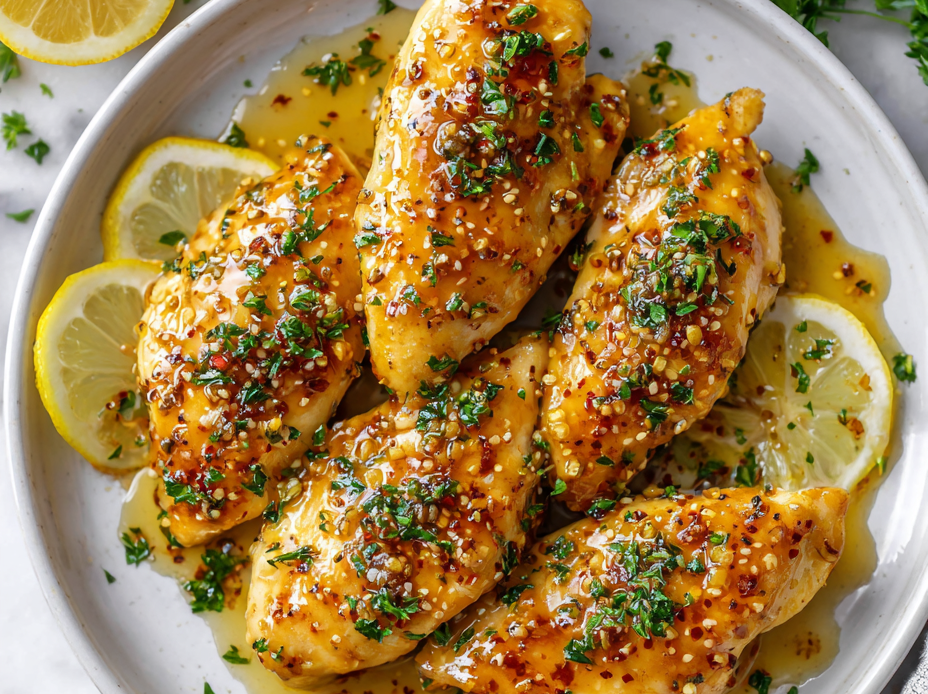
Honey mustard chicken often gets dismissed as a simple weeknight fix, but there’s a delicate dance in balancing that sweet sharpness with just enough acidity to brighten the whole dish. It’s not just about pouring sauce over chicken; it’s about coaxing flavor from humble ingredients, turning them into something that feels both familiar and unexpectedly vibrant.
I love playing with the idea that a little bit of honey, combined with a splash of mustard, can transform a straightforward cut into a tender, tangy masterpiece. It’s honest cooking—meant to be improvisational, forgiving, and deeply satisfying. Plus, the smell of it bubbling away in the pan, that sweet and sharp aroma, always pulls me right into the kitchen with a grin.
Focusing on the overlooked art of balancing sweetness and acidity in honey mustard chicken, this recipe dives into how the right tang can elevate a humble dish into something memorable, even comforting.
The subtle art of balancing sweet and tangy
- This dish reminds me of summer evenings at my grandma’s house, where the smell of honey and mustard mixed with roasting chicken was pure comfort.
- I used to think honey mustard was just a sauce, but now I see it as the secret to transforming simple chicken into something unexpectedly juicy and flavorful.
- There’s a small thrill in getting that perfect caramelized crust—sometimes a little burnt edge just adds character, don’t you think?
- Honestly, I feel proud when I pull this together in under 30 minutes, especially knowing it’s packed with layers of sweet, tang, and umami.
- Every time I make this, I get a little nostalgic for carefree dinners shared around the table, laughter echoing, and that irresistible aroma wafting through the house.
The story behind this recipe
- This recipe came about one rainy afternoon when I was stuck in the kitchen with just a few pantry staples and a craving for something bright and satisfying. I started experimenting with honey and mustard, trying to find that perfect balance between sweet and tangy that would make everyday chicken feel special. Turns out, that little combo has a way of turning humble ingredients into something surprisingly memorable.
- I remember the first time I nailed the glaze—golden, glossy, and just the right amount of sticky. It made me think about how a simple sauce can elevate a dish in ways you don’t always plan for. Now, it’s become my go-to for quick weeknights and lazy weekends alike, always comforting, always flavorful.
- heading: The story behind this recipe
Historical and cultural tidbits
- Honey mustard sauce has roots in European classic cooking, where balancing sweet and tangy flavors was key to elevating simple proteins.
- This dish became popular in American homes during the mid-20th century, especially with the rise of convenience foods and quick weeknight dinners.
- The pairing of honey and mustard reflects a long culinary tradition of combining sharp and sweet elements to enhance meat dishes.
- In some regions, honey mustard chicken is tied to rustic farm-to-table traditions, celebrating local honey and fresh herbs.
- A variation of this dish appears in old cookbooks from the 1950s, often served with hearty sides like roasted vegetables or mashed potatoes.
Ingredient breakdown
- Honey: I love using a thick, floral honey that’s sweet without being cloying. If yours is too runny, just reduce slightly for better glaze consistency.
- Mustard: Grainy Dijon adds a tangy bite and visual texture. Skip if you prefer a milder, smoother sauce—use yellow mustard instead.
- Chicken breasts: I opt for skinless, boneless breasts for quick cooking. If you want juicier meat, consider thighs, but adjust cooking time.
- Garlic: Fresh cloves are essential for that punch of aroma. If you’re in a hurry, garlic powder works, but it’s not quite the same vibrancy.
- Olive oil: I use a good-quality extra virgin for flavor. If you only have vegetable oil, it’s fine—just expect a slightly less fruity aroma.
- Lemon juice: Brightens everything up with a zing. Skip if you don’t have fresh lemon—just add a splash of vinegar for acidity.
- Optional herbs: Fresh thyme or rosemary add earthy notes. If dried, use half the amount and crush to release more flavor.
Spotlight on key ingredients
Honey and Mustard:
- Honey: I love using a thick, floral honey that’s sweet without being cloying. If yours is too runny, just reduce slightly for better glaze consistency.
- Mustard: Grainy Dijon adds a tangy bite and visual texture. Skip if you prefer a milder, smoother sauce—use yellow mustard instead.
Notes for ingredient swaps
- Dairy-Free: Swap honey for agave syrup; it’s just as sweet but with a cleaner, more neutral flavor.
- Vegan: Use maple syrup instead of honey for a caramel-like sweetness that pairs well with mustard.
- Gluten-Free: Ensure your mustard is labeled gluten-free; most are, but check for added vinegars or spices.
- Low-Sugar: Replace honey with a sugar-free syrup or a touch of coconut sugar for a less sweet glaze.
- Lemon Juice: If you don’t have fresh, use bottled lemon juice—just taste and adjust for brightness.
- Mustard Type: Yellow mustard works in a pinch, but grainy Dijon adds more tang and texture.
- Oil Choice: Avocado oil gives a milder, buttery flavor; olive oil lends a fruitier note. Skip if using a neutral oil.
Equipment & Tools
- Large skillet: To cook the chicken evenly and develop a crust.
- Meat thermometer: To check internal temperature for safety and doneness.
- Whisk: To combine honey, mustard, lemon juice, and oil smoothly.
- Tongs: To flip and handle chicken without piercing the meat.
Step-by-step guide to honey mustard chicken
- Gather your equipment: a large skillet (preferably non-stick), a meat thermometer, a whisk, and tongs. Preheat the skillet over medium heat, about 160°C (320°F).
- Pat the chicken breasts dry with paper towels. Season generously with salt and pepper on both sides. Set aside.
- In a small bowl, whisk together 3 tbsp honey, 2 tbsp Dijon mustard, 1 tbsp lemon juice, and 1 tbsp olive oil. Set the sauce aside.
- Add a splash of oil to the hot skillet. Once shimmering, place the chicken breasts in the pan. Cook for 5-6 minutes on each side until golden and cooked through. Use tongs to flip, and look for a nice caramelized crust.
- Check for doneness: the internal temp should reach 75°C (165°F). The juices should run clear, and the meat should be firm but tender. If not, cover and cook for another minute or two.
- Reduce the heat slightly. Pour the honey mustard sauce into the pan, spooning it over the chicken. Let it simmer gently for 2-3 minutes until glossy and slightly thickened. The sauce should cling to the chicken, not pool.
- Remove the chicken from the skillet. Rest on a plate for 3-5 minutes to allow juices to redistribute. Meanwhile, give the sauce a final stir.
- Plate the chicken, spoon extra sauce on top, and garnish with fresh herbs if desired. Serve hot, with your favorite sides.
Let the chicken rest for 3-5 minutes off the heat, tented lightly with foil. Spoon extra sauce over the slices before serving for maximum flavor and shine.
How to Know It’s Done
- Color: Chicken should be golden with a caramelized crust.
- Temperature: Use a probe to ensure internal temp hits 75°C (165°F).
- Appearance: Sauce should be glossy and clingy, not runny or burnt.
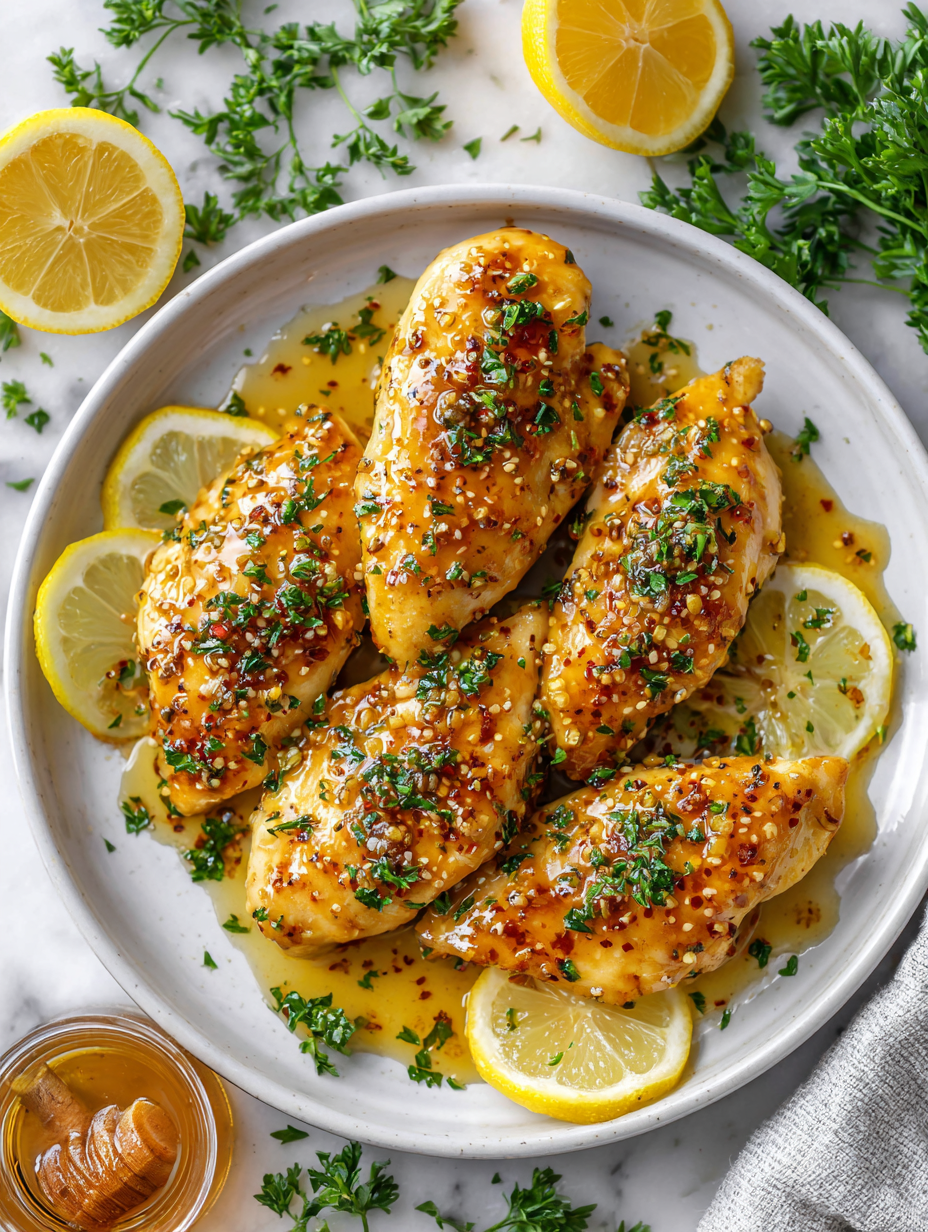
Honey Mustard Chicken
Ingredients
Equipment
Method
- Start by patting the chicken breasts dry with paper towels, then season generously with salt and pepper on both sides. Set aside.
- In a small bowl, whisk together honey, Dijon mustard, lemon juice, and olive oil until smooth and glossy. Set the sauce aside.
- Heat a large skillet over medium heat until shimmering. Add a splash of olive oil, then carefully place the chicken breasts in the pan. Sear for about 5-6 minutes on each side, until golden brown and caramelized edges form.
- Use a meat thermometer to check the internal temperature; it should reach 165°F (75°C). If needed, lower the heat slightly and continue cooking until fully done.
- Add the minced garlic to the skillet and cook for about 30 seconds until fragrant, just as the garlic turns golden and releases its aroma.
- Pour the honey mustard sauce into the skillet, spooning it over the chicken. Turn the heat to low and let the sauce simmer gently for 2-3 minutes, allowing it to thicken and become glossy, coating the chicken beautifully.
- Remove the chicken from the skillet and let it rest for 3-5 minutes. This helps juices redistribute and keeps the meat tender.
- Serve the chicken slices topped with the sticky, vibrantly glazed sauce. Garnish with fresh herbs if desired, and enjoy the bright, caramelized flavors.
Notes
Pro tips for perfect honey mustard chicken
- Use room temperature chicken for even cooking and quicker searing, avoiding cold spots.
- When adding sauce, do it off-heat first to prevent splatters and control the glaze thickness.
- Let the sauce simmer gently—if it bubbles too vigorously, it can burn or become too thick.
- To achieve a shiny glaze, remove the chicken from heat just before the sauce reaches desired consistency and let it thicken slightly off-heat.
- Use a spoon to baste the chicken with the sauce during the last minute to lock in flavor and keep it moist.
- If the sauce is too thick, thin it with a splash of warm water or chicken broth—stir well to keep smooth.
- Rest the chicken briefly after cooking; this helps juices redistribute and ensures the sauce stays glossy and adheres better.
Common mistakes and how to fix them
- FORGOT to check chicken temperature → Use a thermometer to avoid undercooking.
- DUMPED sauce too early → Let it reduce until glossy and clingy for flavor depth.
- OVER-TORCHED the honey glaze → Lower heat and watch for a golden, caramel color.
- MISSED resting time → Rest chicken for juiciness and better sauce absorption.
Quick fixes and pantry swaps
- When sauce is too thin, splash in a bit more honey and simmer until glossy.
- If chicken sticks, splash a little water or broth to loosen and prevent tearing.
- DUMPED sauce too early? Let it reduce to intensify flavor and achieve that sticky sheen.
- Splash some lemon juice if sauce lacks brightness or shimmers dull—freshness makes all the difference.
- When honey caramelizes too quickly, lower heat immediately and stir to prevent burning.
Prep, store, and reheat tips
- You can whisk together the honey mustard sauce up to 2 days in advance. Keep it refrigerated in a sealed jar; it will thicken slightly but will loosen when stirred.
- Prepare and pat dry the chicken breasts ahead of time. Store covered in the fridge for up to 24 hours without losing too much juiciness.
- Cook the chicken fresh for best texture, but if needed, leftovers can be stored in an airtight container for up to 3 days. The sauce may thicken; warm gently to loosen before serving.
- Reheat the chicken in a skillet over low heat, spooning extra sauce over it, until warmed through and fragrant—about 5-7 minutes. The honey may caramelize slightly, so watch for burning.
FAQs about Honey Mustard Chicken
1. How do I know when the chicken is cooked?
Honey mustard chicken should be cooked until the internal temperature reaches 165°F (75°C), ensuring safety and juiciness.
2. What’s the best way to check doneness?
Use a good meat thermometer and look for clear juices and a firm texture. The crust should be golden and caramelized.
3. My sauce is too thin, how can I fix it?
If the sauce is too runny, let it simmer for a few more minutes until it thickens and becomes glossy.
4. Can I swap out ingredients?
You can substitute Dijon with yellow mustard for a milder tang or use honey substitute like agave syrup if needed.
5. Can I use chicken thighs instead?
Using boneless, skinless chicken breasts keeps the dish quick, but thighs will stay juicier if cooked longer.
6. Can I make this sauce in advance?
Yes, you can prepare the sauce up to 2 days ahead and store it in the fridge. Reheat gently before serving.
7. The chicken is sticking. What do I do?
If the chicken sticks to the pan, splash a bit of water or broth, then gently loosen with a spatula.
8. How do I prevent the sauce from splattering?
When adding the sauce, do it off-heat to prevent splattering and allow better control over the glazing process.
9. How can I boost the flavor of the dish?
For a brighter, more vibrant flavor, add a splash of lemon juice just before serving to enhance the tang.
10. The sauce is too sweet. How do I fix it?
If the sauce is too sweet, add a small splash of vinegar or lemon juice to balance the flavors.
This honey mustard chicken feels like a little celebration in the middle of a busy week. The balance of sweet, tangy, and savory makes every bite a reminder that simple ingredients can surprise you. It’s honest food, meant to be enjoyed with no fuss and no pretenses.
Whenever I make this, I’m reminded of how a straightforward dish can bring comfort and a bit of pride. It’s quick enough for a weeknight, rich enough to serve for guests, and always leaves me craving that perfect, sticky glaze. That’s the kind of meal I keep coming back to.

Hi, I’m Madison Greene, the creator behind Texture Obsessed. If you have ever fallen in love with the crunch of a perfectly toasted crust, the silkiness of a smooth custard, or the contrast between crispy and creamy in a single bite, then you already understand what inspires me.