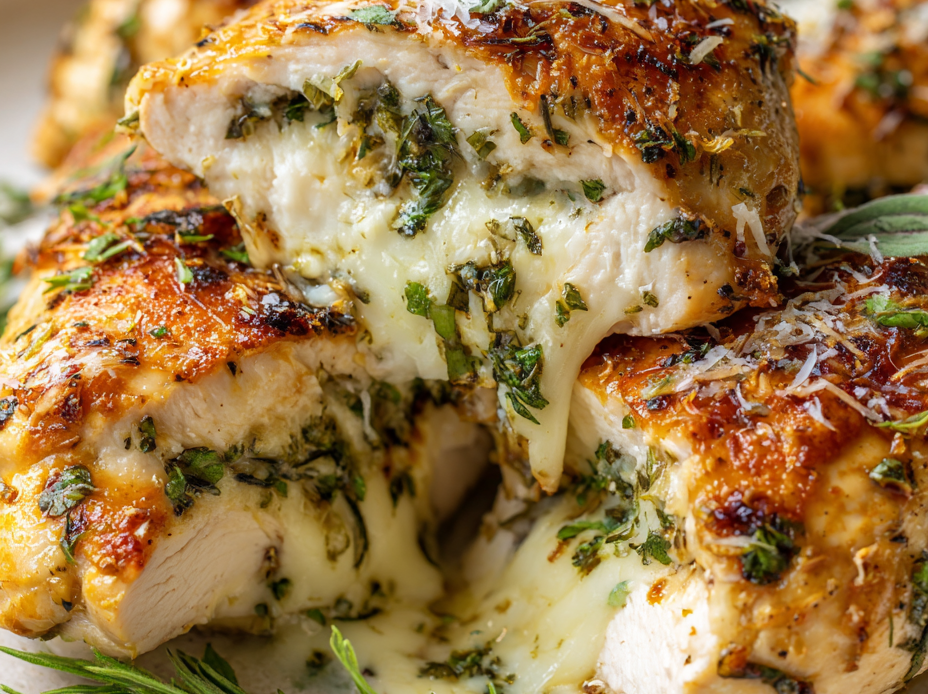
Stuffing chicken breasts isn’t just about flavor; it’s a small act of mindfulness. When life feels overwhelming, I turn to this recipe as a way to slow down and focus on something tangible. The process of carefully packing each pocket with cheese, herbs, or even a bit of sautéed spinach becomes a quiet ritual that helps me reset.
There’s a satisfying rhythm to it—cutting into the meat, stuffing, and then sealing everything up. It’s surprisingly forgiving, and the scent of roasting chicken mingled with garlic and herbs fills the kitchen with a comforting aroma. This dish reminds me that even in chaos, simple, honest cooking can bring a moment of calm.
Focusing on how stuffing chicken breasts can be a therapeutic act, turning a simple protein into a mindful cooking ritual that soothes and centers, especially when life feels chaotic.
A mindful approach to stuffing
- Cooking this dish feels like a small act of self-care, turning a busy day into a moment of calm.
- I love the moment when the chicken comes out of the oven, golden and juicy, the aroma filling the kitchen.
- There’s a nostalgic joy in stuffing chicken with herbs and cheese, reminding me of family dinners from years ago.
- It’s surprisingly satisfying to see how a simple protein can become a centerpiece with just a few thoughtful ingredients.
- This recipe has become my go-to for when I need comfort food that’s easy to prepare but feels special.
The story behind this recipe
This recipe came together one lazy Sunday when I was looking for a way to turn a simple chicken breast into something more nourishing and satisfying. I remembered how my grandmother used to stuff chicken with herbs and cheese, and that cozy, homey scent would fill her kitchen. It’s funny how a small act like stuffing can transform a weeknight dinner into a moment of mindful cooking, where every step becomes a quiet meditation. Now, it’s become my little ritual—something I turn to when I need a reminder that good food is about care, patience, and a bit of creativity.
Historical and cultural notes
- Stuffed chicken dishes date back centuries, often seen in Mediterranean and Middle Eastern cuisines, where stuffing with herbs and nuts was common.
- In historic European kitchens, stuffing poultry was a way to use leftovers creatively, turning humble ingredients into elegant dishes.
- Modern stuffed chicken recipes gained popularity in the 20th century, especially as home cooks sought versatile ways to elevate simple proteins.
- The idea of stuffing chicken reflects a broader culinary tradition of ‘filling’ meat with flavorful ingredients, making every bite a surprise.
- Today, stuffed chicken breasts are a favorite for their balance of elegance and ease, perfect for both weeknights and special gatherings.
Ingredient breakdown: key components
- Chicken breasts: I choose thick, even pieces that feel firm and plump—less likely to dry out. You want a gentle resistance when you press; that’s your cue they’re fresh.
- Cheese: I favor a melty, gooey cheese like mozzarella or fontina—something that oozes luxuriously when hot. Swap for provolone if you want a sharper tang, but keep it creamy.
- Herbs: Fresh thyme or parsley brighten the filling with a vibrant scent. Dried herbs work, but make sure to crush them between fingers to release more aroma.
- Spinach or greens: Sautéed until just wilted, these add moisture and a slight earthy sweetness. If using frozen, squeeze out excess moisture first to prevent sogginess.
- Garlic: I love the sharp, fragrant punch it adds—crushed and sautéed until fragrant but not burnt, which gives a smoky undertone. Use less if you prefer milder flavor.
- Olive oil: I drizzle a little inside before stuffing for richness and to help seal in juices. Use a good-quality extra virgin for the best nutty aroma.
- Seasonings: Salt and black pepper are my staples, but a pinch of paprika or smoked salt can add depth. Adjust to taste, but don’t skimp on salt—it’s what makes everything pop.
Spotlight on key ingredients
Chicken breasts:
- I look for thick, even pieces that feel firm and resilient—less likely to dry out. You want a gentle resistance when you press; that’s your cue they’re fresh.
- Cheese: I favor a gooey, melty cheese like mozzarella or fontina—something that oozes luxuriously when hot. Swap for provolone if you want a sharper tang, but keep it creamy.
- Herbs: Fresh thyme or parsley brighten the filling with a vibrant aroma. Dried herbs work, but crush them between fingers to release more scent and flavor.
Cheese and herbs:
- Cheese: I love the way melted cheese becomes a rich, stringy surprise. It should be creamy and oozy—think of that first bite as pure comfort. Use a cheese with good meltability for best results.
- Herbs: Bright, fresh herbs add a lively contrast to the richness. They behave differently when cooked—lose some brightness, but still give off that fragrant punch. Always chop them finely for even distribution.
Notes for ingredient swaps
- Dairy-Free: Use a plant-based cheese or omit cheese altogether. It won’t be as oozy, but the herbs will still shine.
- Low-Sodium: Opt for unsalted butter or reduce added salt. The dish will be milder, so compensate with extra herbs or garlic.
- Gluten-Free: Ensure your sausage or stuffing ingredients are gluten-free if you’re adding filler; use fresh herbs for maximum flavor.
- Vegetarian: Replace chicken with eggplant slices or portobello caps, and use a cashew or almond-based cheese for creaminess.
- Herb Variations: Swap parsley and thyme for basil or oregano for a different flavor profile. Fresh herbs are best, but dried works in a pinch.
- Greens: Substitute spinach with kale or Swiss chard—just sauté until tender to avoid excess moisture in the filling.
- Oil: Use avocado or sesame oil instead of olive oil for a different aromatic twist; they bring subtle, unique flavors.
Equipment & Tools
- Paring knife: To create precise pockets in the chicken breasts.
- Meat mallet: To flatten the chicken for even stuffing.
- Baking dish: To hold the chicken during roasting.
- Thermometer: To check internal doneness accurately.
- Skillet: To sear the chicken for a crispy exterior.
Step-by-step guide to stuffed chicken
- Equipment & Tools: Use a sharp paring knife for precise cuts, a meat mallet for flattening, and a baking dish to hold everything. A thermometer helps ensure perfect doneness.
- Preheat your oven to 200°C (390°F). Have your ingredients measured and ready—cheese, herbs, and spinach all prepared.
- Lay the chicken breasts flat on a cutting board. Use the paring knife to cut a horizontal pocket into each, being careful not to cut all the way through. a. Keep the pocket wide enough to hold filling. b. If the meat tears, patch with toothpick or extra filling.
- Season the inside and outside of the chicken with salt and pepper. Set aside.
- In a small bowl, mix cheese, chopped herbs, and sautéed spinach. Spoon generous amounts into each pocket, pressing slightly to pack in the filling.
- Seal the openings with toothpicks if needed, or gently press the meat to close. Drizzle a little olive oil over the chicken for moisture.
- Heat a skillet over medium-high heat (about 180°C / 356°F). Sear each side for 2-3 minutes until golden and slightly crisp. The smell of toasted cheese and herbs should fill the air.
- Transfer the seared chicken to your baking dish. Roast in the oven for 20-25 minutes. a. Check for a slight jiggle in the center—it’s a good sign. b. If the juices run clear when pierced, it’s done. c. Use a meat thermometer—internal temp should reach 74°C (165°F).
- Once cooked, remove from oven. Let rest for 5 minutes under foil, allowing juices to redistribute and making slicing easier.
- Slice carefully, revealing the melty cheese and vibrant filling. Serve hot, with a drizzle of pan juices or your favorite sauce.
Let the stuffed chicken rest for 5 minutes under foil. Slice carefully, then plate with some pan juices or a simple salad. This resting period lets the juices settle, keeping the meat moist and flavorful.
How to Know It’s Done
- Internal temperature reaches 74°C (165°F).
- Juices run clear when pierced with a knife.
- Cheese is melted and oozing from the cut.
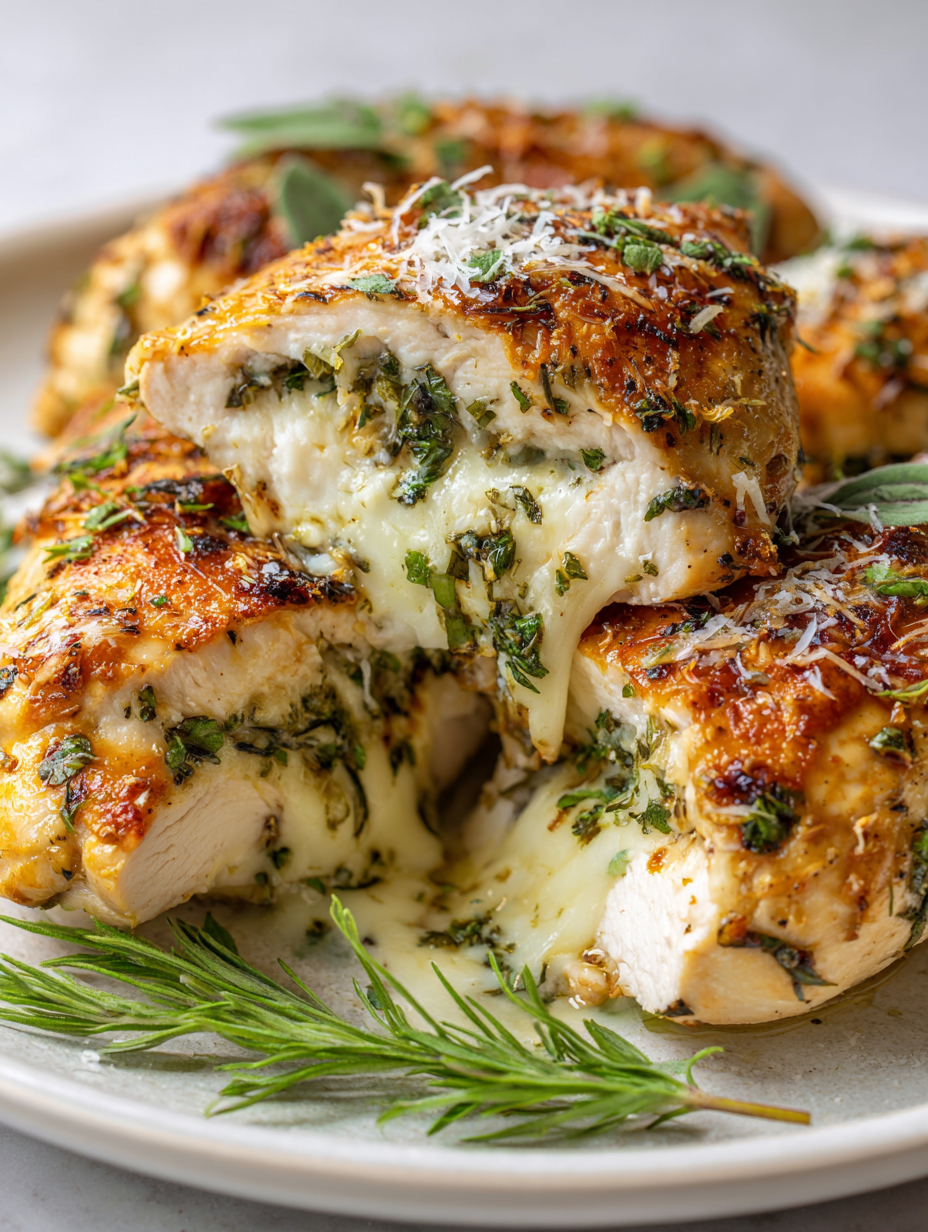
Herb and Cheese Stuffed Chicken Breasts
Ingredients
Equipment
Method
- Use a paring knife to carefully cut a horizontal pocket into each chicken breast, being mindful not to cut all the way through. Gently flatten the chicken with a meat mallet to an even thickness, about 1/2 inch.
- Season the inside and outside of each chicken with salt and pepper, then set aside.
- Heat a skillet over medium heat and add a tablespoon of olive oil. Sauté the minced garlic until fragrant, about 30 seconds, then add chopped spinach and cook until wilted and tender, about 2 minutes. Remove from heat and let cool slightly.
- In a bowl, combine the shredded cheese, chopped herbs, and sautéed spinach. Mix well to create your filling.
- Spoon a generous amount of the filling into each pocket, pressing gently to pack it in. Seal the openings with toothpicks if necessary, or gently press the chicken to close.
- Heat the skillet again over medium-high heat and add another tablespoon of olive oil. Sear each stuffed chicken breast for 2-3 minutes per side, until golden brown and crispy.
- Transfer the seared chicken breasts to a baking dish and roast in a preheated oven at 200°C (390°F) for 20-25 minutes, or until the internal temperature reaches 74°C (165°F) and the cheese is melted and bubbly.
- Remove the chicken from the oven, cover loosely with foil, and let rest for 5 minutes. This helps the juices redistribute and keeps the meat moist.
- Carefully remove toothpicks if used, then slice the chicken to reveal the melty, flavorful filling inside.
- Serve hot, drizzled with any pan juices or alongside your favorite side for a satisfying and mindful meal.
Pro tips for perfect stuffed chicken
- Bolded mini-head: Use gentle heat when searing to prevent burning the cheese filling inside.
- Bolded mini-head: Keep the chicken flat and even for uniform cooking—use a meat mallet if needed.
- Bolded mini-head: Don’t overstuff—leave room for the filling to expand without bursting the seams.
- Bolded mini-head: Rest the chicken before slicing—this helps keep the juices locked in for moist bites.
- Bolded mini-head: Seal the edges securely with toothpicks or gentle pressing to avoid leaks during roasting.
- Bolded mini-head: Sear just until golden—about 2-3 minutes per side—then finish in the oven for even doneness.
- Bolded mini-head: If the chicken skin isn’t crisp enough, broil for a minute at the end, watching carefully.
Common mistakes and how to fix them
- FORGOT to keep chicken moist? Baste with pan juices if it starts to dry out.
- DUMPED the filling? Seal the edges thoroughly to prevent leaks during roasting.
- OVER-TORCHED the chicken? Lower oven temp or cover with foil if browning too fast.
- CUT into the chicken too early? Let it rest for at least 5 minutes for juicier slices.
Quick fixes and pantry swaps
- When chicken leaks stuffing, seal edges with toothpicks to keep everything contained.
- If cheese isn’t oozy enough, increase oven time slightly or broil for a minute at the end.
- Splash olive oil before roasting to help prevent drying out and add flavor.
- Patch tears in chicken with extra filling and secure with toothpicks for a tidy look.
- Shield chicken with foil if it browns too quickly during roasting and smells smoky.
Prep, store, and reheat tips
- Stuff the chicken breasts earlier in the day, wrap tightly in plastic wrap, and keep in the fridge for up to 24 hours. The filling stays fresh and flavors meld nicely.
- Store cooked stuffed chicken in an airtight container in the fridge for 2-3 days. Reheat gently in the oven or microwave, aiming for an internal temp of 74°C (165°F) with a juicy, steaming interior.
- If freezing, wrap tightly in foil and place in a freezer-safe bag. It can last up to 2 months. Thaw overnight in the fridge before reheating; expect the texture to be slightly softer but still flavorful.
- Reheat in a low oven (around 160°C/320°F) covered with foil to prevent drying out. The smell of warmed cheese and herbs should fill your kitchen again, with the chicken juicy and tender.
Top questions about stuffed chicken
1. How do I make a proper pocket in the chicken breast?
Use a sharp knife to make a clean pocket. Don’t cut all the way through, just deep enough to stuff. It’s easier to control and less messy.
2. How much filling should I use?
Make sure not to overstuff—about 2-3 tablespoons per breast is plenty. Overstuffing can cause leaks or uneven cooking.
3. Should I sear the chicken before roasting?
Sear the chicken first until golden, about 2-3 minutes per side, then finish in the oven. This locks in flavor and keeps the filling from spilling out.
4. How do I know when the chicken is done?
Check the internal temperature with a meat thermometer; it should reach 74°C (165°F). Juices should run clear when pierced. The cheese should be melted and bubbly.
5. Why is resting important?
Rest the chicken for at least 5 minutes after cooking. This helps the juices redistribute, keeping the meat moist and tender when sliced.
6. How do I prevent filling leaks?
Use toothpicks or kitchen twine to seal any open edges before roasting. This prevents the filling from escaping and keeps everything neat.
7. Can I make this recipe dairy-free?
You can replace cheese with dairy-free options like vegan cheese or omit it altogether. Use herbs and spices to boost flavor instead.
8. Can I use frozen greens?
Frozen spinach works fine, just squeeze out excess moisture before stuffing. Fresh spinach is preferable for a brighter flavor and better texture.
9. What if my chicken dries out?
Avoid overcooking by keeping an eye on the internal temp. If the chicken starts to dry out, tent it with foil and lower the heat slightly.
10. How do I reheat leftovers without drying them out?
Reheat gently in the oven at 160°C (320°F), covered with foil, until heated through. The cheese should melt again, and the chicken stays juicy.
This dish isn’t just about dinner; it’s about taking a moment to care for yourself through simple, honest cooking. The smell of melting cheese, roasted herbs, and seared chicken creates a comforting scene that sticks with you long after the plates are cleared.
In a busy world, finding these small rituals that ground us can be rare. Stuffed chicken breast is a gentle reminder that good food, made with intention, can bring a quiet sense of achievement and warmth to any day.

Hi, I’m Madison Greene, the voice and creator behind Texture Obsessed. Born and raised in the United States, I’ve always believed that food is more than just flavor — it’s about the way it feels.