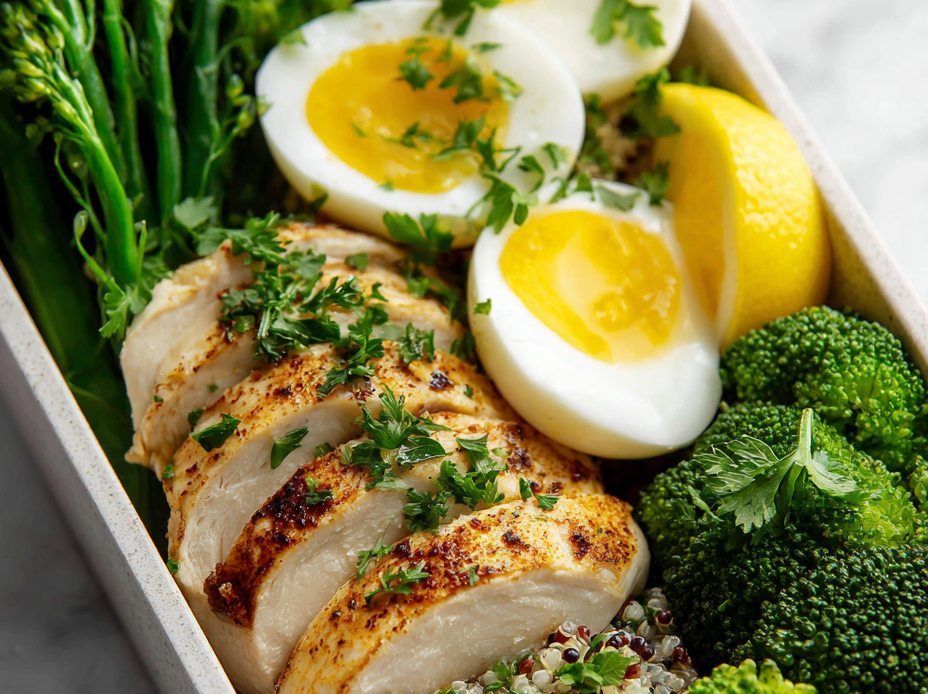
In the rush of weekday mornings, I find that having a well-packed protein bento box can turn chaos into calm. It’s not just about quick eating but about giving myself a balanced, satisfying meal that keeps me going without the midday slump. I love how a few thoughtful prep steps can make all the difference, turning leftovers or simple ingredients into something vibrant and nourishing.
This isn’t about fancy ingredients or intricate techniques; it’s about honesty in flavor and practicality in execution. I’ve learned to embrace the beauty of variety—meaty, smoky, fresh, and zingy all in one container—that keeps lunchtime exciting, even when time feels tight. It’s a small act of care I give myself, piece by piece, every busy day.
Focusing on how a protein-packed bento box can serve as a quick, balanced meal for busy weekdays, emphasizing the importance of prep and variety to keep things interesting and satisfying amidst hectic schedules.
The story behind this recipe
- I started making these protein bento boxes when I realized how easy it was to grab a balanced, satisfying meal without the fuss of cooking every night. It’s become a little ritual to prep these on Sundays, stacking up flavors and textures that keep me energized through busy weekdays. The way different ingredients play off each other—smoky chicken, crisp veggies, creamy hummus—brings a small moment of joy to an otherwise hectic schedule.
- Honestly, it’s a reminder that good food doesn’t need to be complicated or elaborate. Just a handful of thoughtfully chosen ingredients, packed with care, turns into a portable feast. I love how these boxes can be customized, depending on what I have in the fridge or what I’m craving. It’s about making something practical feel a little special—like a tiny act of kindness for myself, one container at a time.
- heading: ‘The story behind this recipe’
Key ingredients and tips
- Chicken breast: I prefer a juicy, well-seasoned cut—grill or pan-fry until just cooked through, then slice thin. For a leaner option, turkey works well too, but chicken keeps that satisfying bite.
- Hard-boiled eggs: I love the creamy yolk and firm whites—boil for exactly 9-10 minutes, then shock in cold water. If they’re stubborn to peel, add a pinch of baking soda to the boiling water.
- Quinoa: It’s my go-to grain—cooks fluffy and nutty in about 15 minutes. Rinse thoroughly to avoid that bitter saponin taste; it makes the whole box pop with a gentle earthiness.
- Veggies: I keep snap peas, cherry tomatoes, and crisp cucumber—fresh, vibrant, and crunch with a splash of lemon juice. For variety, a handful of roasted sweet potatoes adds warmth and sweetness.
- Dips & sauces: A dab of hummus or spicy mayo adds richness—don’t skimp; it ties everything together. I often stash a squeeze of sriracha or a drizzle of sesame oil for extra punch.
- Nuts & seeds: I sprinkle toasted sesame seeds or slivered almonds—adds a smoky crunch and keeps the protein level high. Keep them in an airtight jar to maintain that fresh, toasty aroma.
- Optional extras: A few slices of smoked salmon or tofu cubes—these boost the protein, and their textures contrast beautifully with the crisp veggies. Play around based on what’s in your fridge.
Spotlight on key ingredients
Chicken breast:
- I prefer a juicy, well-seasoned cut—grill or pan-fry until just cooked through, then slice thin. For a leaner option, turkey works well too, but chicken keeps that satisfying bite.
- cook during cooking, it firms up, becoming tender but still juicy, with a mild, meaty flavor.
- During slicing, it should feel firm but not dry, with a slight resistance but clean cut.
Hard-boiled eggs:
- I love the creamy yolk and firm whites—boil for exactly 9-10 minutes, then shock in cold water. If they’re stubborn to peel, add a pinch of baking soda to the boiling water.
- They develop a smooth, shiny shell that peels away easily, revealing a bright yellow yolk with a velvety texture.
- When cut, they should hold shape without crumbling, with a rich, slightly salty flavor that balances fresh ingredients.
Notes for ingredient swaps
- Dairy-Free: Swap traditional yogurt-based dips for avocado or tahini-based sauces. Expect a creamier texture, less tangy, but still satisfying.
- Gluten-Free: Use cauliflower rice instead of regular rice or grains. It’s milder in flavor and adds a gentle, vegetable sweetness.
- Vegetarian: Replace chicken with grilled tempeh or tofu. They soak up flavors well but can be a little firmer or softer, respectively.
- Spicy: Omit chili flakes or hot sauce if you prefer milder flavors. The dish will be less zingy but still balanced with fresh ingredients.
- Nut-Free: Skip nuts or seeds and add roasted chickpeas for crunch. They provide a similar crispy texture with a hint of earthiness.
- Low-Carb: Use zucchini noodles or thinly sliced cucumber instead of grains. It’s crisp and refreshing, but watch for moisture release.
- Smoky: Incorporate smoked paprika or chipotle powder into the seasoning for a smoky kick. It deepens flavor without actual smoky ingredients.
Equipment & Tools
- Sharp knife: For slicing chicken and vegetables.
- Large bowl: To rinse quinoa.
- Small saucepan: To cook quinoa and boil eggs.
- Frying pan: To cook chicken breasts.
- Bento box or container: To assemble and serve the meal.
Step-by-step guide to assembling
- Gather all your ingredients and tools. You’ll need a sharp knife, a large bowl, a small saucepan, a frying pan, and a bento box or container with compartments.
- Cook the quinoa: rinse 1 cup of quinoa under cold water until the water runs clear. Combine with 2 cups of water in a small saucepan. Bring to a boil over medium-high heat (about 100°C / 212°F). Reduce heat to low, cover, and simmer for 15 minutes until fluffy and tender. Fluff with a fork and set aside to cool.
- Prepare the protein: Season 2 chicken breasts with salt, pepper, and your favorite spices. Heat a tablespoon of oil in a frying pan over medium heat (about 160°C / 320°F). Cook chicken for 6-7 minutes per side, until golden brown and cooked through (internal temp 75°C / 165°F). Let rest for 5 minutes, then slice thinly.
- Boil the eggs: Place eggs in a small saucepan and cover with cold water. Bring to a boil over high heat. Once boiling, turn off the heat and let sit for 9-10 minutes. Transfer eggs to an ice bath for 5 minutes, then peel and halve.
- Prepare fresh veggies: Slice cucumber and cherry tomatoes. Keep snap peas whole or cut in half if large. For extra flavor, toss the veggies with a squeeze of lemon juice and a pinch of salt.
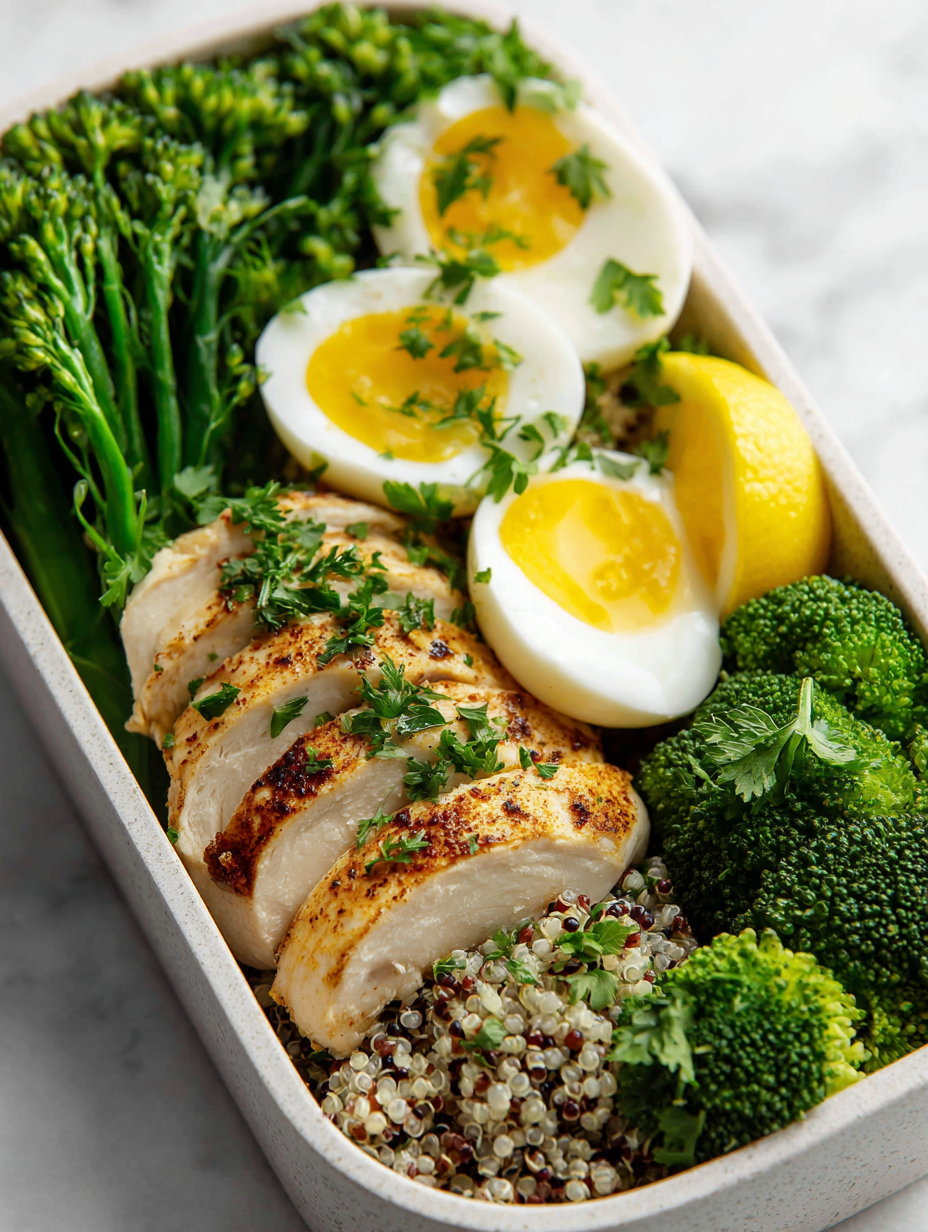
- Assemble the bento: In your container’s compartments, arrange the quinoa, sliced chicken, eggs, and veggies. Add dips like hummus or spicy mayo in small containers if desired. Sprinkle nuts or seeds on top for crunch.
- Finishing touches: Drizzle any extra sauces or oils. Close the container tightly. Rest for 5 minutes before packing it into your bag. Serve at room temperature or chilled, depending on preference.
Let the sliced chicken rest for 5 minutes before packing. Arrange everything neatly in the compartments. Add final touches like herbs or seeds. Close the lid and store in the fridge if not eating immediately; serve at room temp or chilled.
How to Know It’s Done
- Quinoa is fluffy and fully cooked, with no bitter taste.
- Chicken is golden and registers 75°C / 165°F internally.
- Eggs are firm, peeled easily, with a bright yellow yolk.
Protein Bento Box
Ingredients
Equipment
Method
- Start by rinsing the quinoa thoroughly in a large bowl to remove any bitterness. Combine the rinsed quinoa with 2 cups of water in a small saucepan and bring to a boil over medium-high heat. Once bubbling, reduce the heat to low, cover, and simmer for about 15 minutes until fluffy and tender. Fluff with a fork and set aside to cool.
- While the quinoa cooks, season the chicken breasts with salt, pepper, paprika, garlic powder, and other spices you like. Heat 2 tablespoons of olive oil in a frying pan over medium heat, then add the chicken breasts. Cook for about 6–7 minutes per side until golden brown and cooked through, with an internal temperature of 75°C / 165°F. Let rest for 5 minutes, then slice thinly.
- Place the eggs in a small saucepan, cover with cold water, and bring to a boil over high heat. Once boiling, turn off the heat and let sit for 9–10 minutes. Transfer the eggs to an ice bath for a few minutes, then peel and halve them carefully.
- Prepare fresh vegetables by slicing the cucumber and halving the cherry tomatoes. Keep the snap peas whole or cut in half if large. Toss the vegetables lightly with lemon juice or a pinch of salt if desired.
- Arrange all your ingredients in a compartmentalized bento box: place the cooled quinoa in one section, the sliced chicken in another, and the eggs and vegetables in their own spaces. Add dips like hummus or spicy mayo in small containers or sections. Sprinkle toasted nuts or seeds over the vegetables for added crunch.
- Finish by drizzling any extra sauces or oils over the components if desired. Close the lid securely, and your protein bento box is ready to enjoy. Serve at room temperature or chilled, depending on preference.
Pro tips for perfect bento assembly
- Use a hot pan to sear proteins quickly—listen for a sharp sizzle and a golden crust.
- Keep vegetables crisp by shocking them in ice water after blanching—look for vibrant color and firm texture.
- Season your grains generously—taste for saltiness and aroma before assembling.
- When boiling eggs, add a teaspoon of baking soda for easier peeling—notice the smooth shell slipping off.
- Toast nuts or seeds until fragrant and golden—smell that warm, nutty aroma to judge doneness.
- Rest cooked proteins for at least 5 minutes—juices redistribute, keeping each bite juicy and tender.
- Pack components in an organized, compartmentalized box—keeps textures distinct and prevents sogginess.
Common mistakes and how to fix them
- FORGOT to check seasoning: Tastes can vary—adjust salt and spices before assembling.
- DUMPED the marinade: Reserve some for drizzling after cooking for extra flavor.
- OVER-TORCHED the protein: Cook at medium heat, monitor color, and remove when lightly browned.
- MISSED resting time: Let cooked ingredients rest briefly to retain juices and flavor.
Quick Fixes & Pantry Swaps
- If the protein looks dry, splash with a little broth or lemon juice to rehydrate and brighten flavors.
- When grains are sticky, rinse with cold water before reheating to restore fluffiness.
- DUMPED the sauce—add a splash of soy or sesame oil for instant flavor boost.
- Overcooked veggies? Patch with a squeeze of lemon or a drizzle of olive oil for freshness.
- Splash a little water on the container before microwaving to prevent drying out and reduce splatter.
Prep, store, and reheat tips
- Prep ingredients like cooked quinoa, sliced chicken, and boiled eggs a day ahead to save morning time. Keep them in airtight containers in the fridge; flavors stay fresh for up to 3 days.
- Assemble the bento box with all components except delicate greens or fresh herbs. It can be stored in the fridge for up to 2 days, but aim to add fresh elements just before eating to keep textures crisp.
- Reheat cooked proteins and grains in the microwave or on the stovetop until steaming hot—check for an internal temp of 75°C / 165°F. The smell should be warm and savory, not burnt.
- For best flavor, store dips separately and add just before packing. Dips like hummus or spicy mayo keep well in the fridge for up to 4 days, developing a richer aroma over time.
- If packing for later, keep the box in a cool, shaded spot or in the fridge. When ready to eat, a quick reheat will revive the flavors—look for a fragrant, inviting aroma and steaming warmth.
Top questions about Protein Bento Box
1. Can I prepare the protein in advance?
Use cooked chicken or turkey for quick assembly; they stay tender and flavorful in the fridge for a couple of days.
2. How long can I keep boiled eggs in the fridge?
Yes, hard-boiled eggs can be made ahead and stored in the fridge for up to a week; peel just before packing.
3. How long does cooked quinoa last?
Cooked quinoa is best fresh but can be stored in an airtight container for up to 3 days in the fridge.
4. How do I keep vegetables fresh in advance?
A squeeze of lemon or lime brightens fresh veggies and keeps them crisp when packed ahead.
5. How do I reheat the protein safely?
To reheat proteins, microwave on medium for 1-2 minutes until steaming; check temp to ensure safety.
6. Can I prepare dips ahead of time?
Dips like hummus can be made a day ahead and stored in the fridge; add fresh herbs just before packing.
7. How should I store ingredients before packing?
Use airtight containers to keep ingredients separate, preserving textures and flavors until mealtime.
8. What if my grains turn out sticky?
If the grains are sticky, rinse with cold water and shake off excess before packing to keep them fluffy.
9. Should I add nuts in advance?
Add nuts or seeds just before eating to maintain crunch and freshness in the bento box.
10. Should I keep the bento box cold or at room temperature?
Use a chilled or room temperature container depending on your preference; both work well for a protein-packed meal.
In the end, this protein bento box isn’t just about convenience; it’s a small act of daily care. The combination of textures and flavors, from smoky chicken to crisp veggies, keeps me coming back, even on hectic mornings. It’s a simple way to make a busy weekday feel a little more grounded and nourishing.]
Plus, knowing I can prep most of it ahead gives me one less thing to think about when the day gets chaotic. It’s imperfect, practical, and honestly satisfying—just like a good meal should be.
Hi, I’m Madison Greene, the creator behind Texture Obsessed. If you have ever fallen in love with the crunch of a perfectly toasted crust, the silkiness of a smooth custard, or the contrast between crispy and creamy in a single bite, then you already understand what inspires me.