
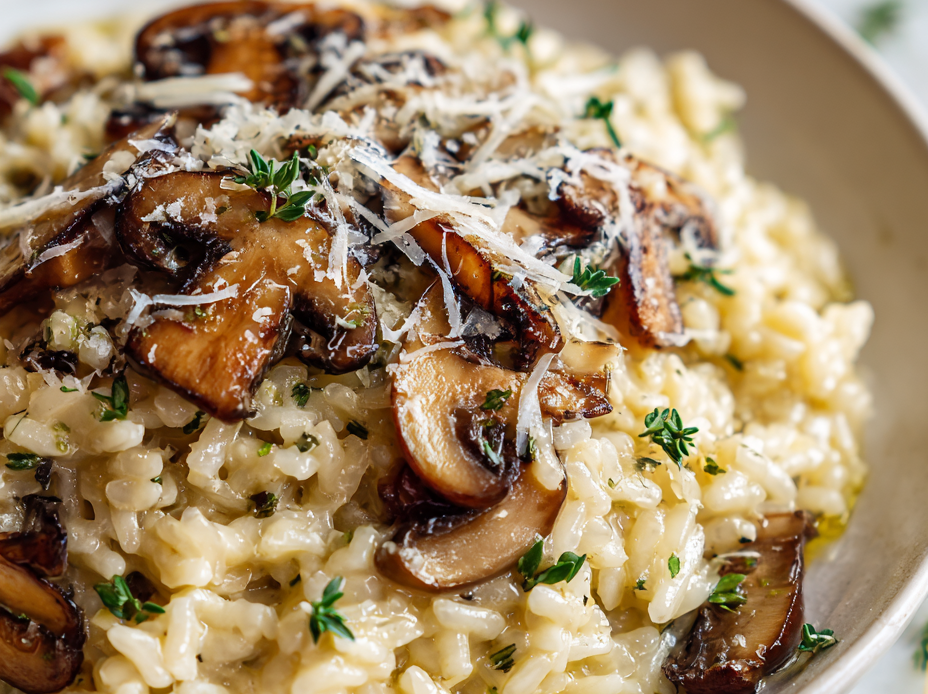
Mushroom risotto is one of those dishes that feels humble but carries such depth, especially when you focus on the texture and earthiness of the mushrooms. I’ve always been fascinated by how different varieties can change the whole vibe of the dish—truffle mushrooms for a luxurious touch, shiitake for that smoky punch, or wild foraged ones that add a bit of adventure. It’s a dish that rewards patience and attention to detail, turning a simple ingredient into a layered, sensory experience.
I love how mushrooms bring a meaty, umami-rich quality that makes risotto feel more substantial without any meat. When I cook this, I pay close attention to how the mushrooms soften and release their juices, blending into the creamy rice. It’s a dish that’s forgiving in some ways but demands respect for the natural textures and flavors of the fungi. Each spoonful feels like a small celebration of earth and time, slow-cooked to perfection.
Focusing on the overlooked importance of the mushroom’s texture and earthiness in elevating a simple risotto, I explore how different varieties and their cooking times can transform this humble dish into a layered, sensory experience that celebrates umami and the subtle, smoky depths of well-prepared mushrooms.
Celebrating Earthy Mushrooms
- Cooking this dish always makes me nostalgic for my grandmother’s kitchen, where earthy mushrooms simmered in silence.
- There’s a quiet pride in perfecting the creamy texture—nothing beats that moment when the rice is just tender enough.
- I get a little excited when I hear that gentle crackle of mushrooms hitting the hot pan, it’s the beginning of something special.
- Sharing this risotto with friends feels like a small victory—simple ingredients, big flavor, honest effort.
- Sometimes, I find myself craving the deep, smoky aroma of a well-cooked mushroom—this dish is my answer to that craving.
The story behind this recipe
- Cooking this mushroom risotto always takes me back to a weekend I spent foraging in a damp, mossy forest. The smell of earth and fresh mushrooms mixing in my basket felt like a secret reward. I remember the quiet joy of chopping wild shimeji and the slow, deliberate process of coaxing their flavors out. That day, I learned that patience and respect for the fungi’s natural texture make all the difference in the final dish.
- I discovered that different mushrooms bring their own personalities—meaty shiitake, delicate enoki, or wild foraged varieties—each adding unique depth.
- The idea of caramelizing the mushrooms until they’re just slightly crispy around the edges came from a failed attempt that turned into a revelation—texture matters.
Historical & Cultural Tidbits
- Mushroom risotto has roots in Italy’s northern regions, where foraged fungi were a seasonal staple in mountain kitchens.
- The dish’s focus on mushrooms highlights their cultural significance as a foraged delicacy, once seen as food for the poor but now celebrated globally.
- Historically, wild mushrooms used in risotto were often foraged by farmers or villagers, emphasizing resourcefulness and local ingredients.
- The use of earthy, umami-rich mushrooms in risotto reflects a centuries-old appreciation for fungi as a key flavor enhancer in Italian cuisine.
Ingredient breakdown
- Mushrooms: I love using a mix of wild and cultivated varieties—each one adds a different earthy note and texture; their meaty bite is what makes this risotto truly special. Try shiitake for smoky depth or oyster for a tender chew.
- Arborio Rice: This short-grain rice is essential—its high starch content creates that creamy, velvety texture I crave. If you’re out, Carnaroli is a good substitute, but skip long-grain varieties; they won’t give the same lusciousness.
- Vegetable Stock: I prefer homemade or well-salted store-bought—warm, fragrant, and rich. Keep it simmering on the side, ready to ladle in, so the rice stays hot and absorbs evenly. Use a splash of mushroom or thyme for extra depth.
- Olive Oil & Butter: I start with a generous swirl of good-quality olive oil, then finish with a knob of butter—these layers of fat boost flavor and help the rice and mushrooms develop a beautiful gloss and richness. Don’t skimp.
- Garlic & Shallots: Finely chopped, these go in early—sauté until translucent and fragrant, about 2 minutes. Their sweet, mellow aroma is the foundation for the savory mushroom base. Don’t let them brown too much or they’ll turn bitter.
- White Wine: A splash of dry white wine deglazes the pan, lifting all those mushroom juices and adding a bright acidity. Use a wine you’d enjoy drinking—no need to buy fancy, just good quality.
- Finishing Touches: Fresh thyme, a sprinkle of Parmesan, and a squeeze of lemon brighten everything up. I love a handful of chopped parsley for color and freshness—think of it as the dish’s final breath of earthiness.
Spotlight on key ingredients
Mushrooms:
- I love using a mix of wild and cultivated varieties—each one adds a different earthy note and texture; their meaty bite is what makes this risotto truly special. Try shiitake for smoky depth or oyster for a tender chew.
- Arborio Rice: This short-grain rice is essential—its high starch content creates that creamy, velvety texture I crave. If you’re out, Carnaroli is a good substitute, but skip long-grain varieties; they won’t give the same lusciousness.
- Vegetable Stock: I prefer homemade or well-salted store-bought—warm, fragrant, and rich. Keep it simmering on the side, ready to ladle in, so the rice stays hot and absorbs evenly. Use a splash of mushroom or thyme for extra depth.
Arborio Rice:
- Its ability to release starch makes the risotto luxuriously creamy. It needs gentle, consistent heat to cook evenly—avoid high heat, or it’ll turn gluey.
- Vegetable Stock: It’s the backbone of flavor—rich, warm, and aromatic. Keep it hot and ready, or the rice will cool and slow down the cooking process, risking uneven texture.
- Olive Oil & Butter: These fats build flavor and gloss. Starting with olive oil and finishing with butter creates a layered richness—don’t skimp, even if you’re in a rush.
Notes for ingredient swaps
- Dairy-Free: Swap butter and Parmesan for olive oil and nutritional yeast. Expect a nuttier, less creamy finish.
- Vegan: Use vegetable broth, skip cheese, and add a splash of lemon or miso for umami depth.
- Gluten-Free: Ensure your rice and broth are gluten-free; avoid thickeners that contain gluten for a smooth risotto.
- Low-Sodium: Opt for unsalted broth and add salt gradually; taste as you go to avoid over-seasoning.
- Wild Mushrooms: Substitute with dried porcini or foraged wild varieties for more intense, earthy flavors. Rehydrate and sauté as usual.
- Shorter Prep: Use pre-sliced mushrooms or pre-cooked rice to save time, but don’t rush the flavor development.
- Extra Creaminess: Add a dollop of mascarpone or cream at the end for an ultra-rich, velvety texture.
Equipment & Tools
- Heavy-bottomed pan or Dutch oven: Ensure even heat distribution for consistent cooking.
- Wooden spoon: Gentle stirring to prevent rice from sticking.
- Ladle: Add hot broth gradually and evenly.
- Sharp knife: Chop mushrooms, shallots, and garlic precisely.
Step-by-step guide to Mushroom Risotto
- Equipment & Tools: Use a heavy-bottomed pan or Dutch oven for even heat; a wooden spoon for stirring; a ladle for adding broth; and a sharp knife for chopping mushrooms and aromatics.
- Warm your broth in a separate pot until simmering, about 85°C (185°F), keep it hot throughout cooking.
- Clean and chop mushrooms into bite-sized pieces; set aside. Finely dice shallots and garlic.
- Heat olive oil in the pan over medium heat (around 160°C/320°F). Add mushrooms and a pinch of salt. Sauté until they release juices and start to brown, about 8 minutes. Check for a deep, earthy aroma and slightly crispy edges.
- Push mushrooms to the side, add shallots and garlic to the pan. Cook until translucent and fragrant, about 2 minutes. Be mindful not to let garlic brown or it turns bitter.
- Pour in the Arborio rice. Stir and cook for 2 minutes until the edges look translucent and slightly milky. The rice should crackle gently as it hits the hot oil.
- Deglaze with white wine, stirring constantly. Wait until the wine mostly evaporates, about 1-2 minutes, and the pan smells bright and slightly tangy.
- Begin adding hot broth, one ladle at a time. Stir constantly and wait until the liquid is mostly absorbed before adding more. Maintain a gentle simmer, not boil. Continue until rice is creamy and just tender, about 18-20 minutes.
- Check rice texture—should be tender but still have a slight bite. The risotto should be creamy, with the rice grains separate but coated in sauce.
- Turn off heat, stir in butter, grated Parmesan, and a squeeze of lemon. Taste and adjust seasoning. Let sit for 2 minutes to meld flavors.
- Rest briefly, then serve hot, garnished with chopped parsley or additional Parmesan if desired.
Let the risotto rest for 2 minutes off heat. Finish with butter, Parmesan, and lemon. Serve immediately, garnished with herbs or extra cheese for color and flavor.
How to Know It’s Done
- Mushrooms are deeply browned with a smoky aroma.
- Rice is tender yet retains a slight bite, with a creamy texture.
- Risotto is glossy, with a slight jiggle when shaken in the pan.
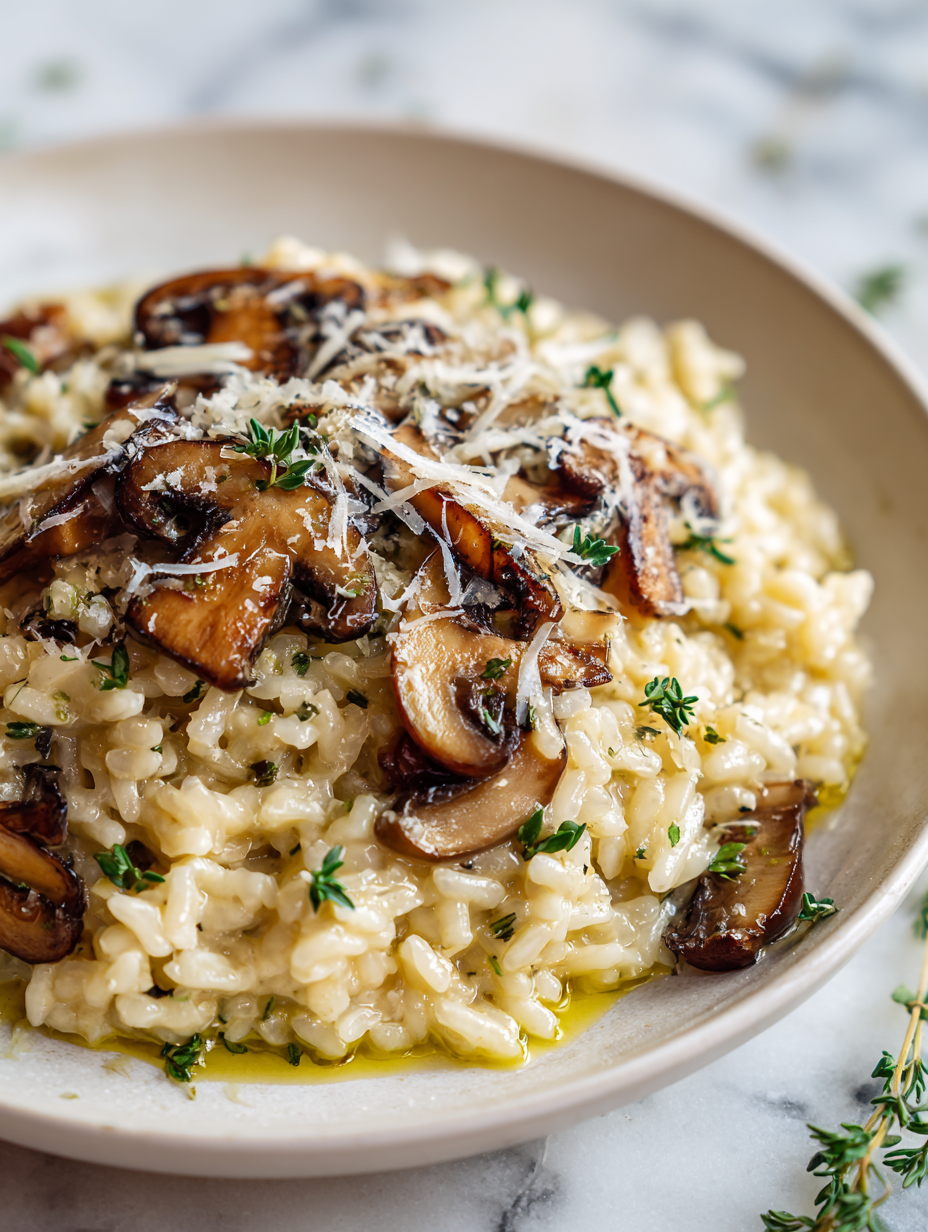
Mushroom Risotto
Ingredients
Equipment
Method
- Start by heating your vegetable stock in a separate pot until it just simmers; keep it warm on low heat throughout cooking.
- Slice your mixed mushrooms into bite-sized pieces, then set aside. Finely dice the shallots and garlic for sautéing.
- Heat the olive oil in a wide, heavy-bottomed pan over medium heat. Add the mushrooms and a pinch of salt, sautéing until they release their juices and turn deep brown, about 8 minutes. You should hear a gentle crackle and see the mushrooms develop a rich, earthy aroma.
- Push the mushrooms to the side of the pan, then add the diced shallots and garlic. Cook gently until translucent and fragrant, about 2 minutes. They should smell sweet and aromatic, with a slight shimmer of oil.
- Add the Arborio rice to the pan, stirring constantly for about 2 minutes until the edges look translucent and the rice starts to crackle. This coats the grains with oil and begins the starch release process.
- Pour in the white wine, stirring continuously until the wine mostly evaporates and the pan smells bright and slightly tangy, about 1-2 minutes.
- Begin adding the hot vegetable stock one ladleful at a time, stirring constantly. Wait until most of the liquid is absorbed before adding the next ladle. Maintain a gentle simmer, and repeat this process for about 18-20 minutes, until the rice is tender but still has a slight bite and the mixture is creamy and glossy.
- Once the rice is cooked to your liking, turn off the heat and stir in the butter, grated Parmesan, and a squeeze of lemon juice. Taste and adjust seasoning with salt and pepper. Let it rest for 2 minutes to allow flavors to meld.
- Garnish with fresh thyme and additional Parmesan if desired. Serve the mushroom risotto hot, enjoying its rich, earthy aroma and creamy texture with tender browned mushrooms throughout.
Pro tips for perfect mushroom risotto
- Bolded mini-head: Use a wide, shallow pan → This gives the mushrooms more surface area, aiding browning and caramelization.
- Bolded mini-head: Stir constantly when adding broth → Keeps the rice evenly coated and prevents sticking or clumping.
- Bolded mini-head: Cook mushrooms until deeply browned → Develops smoky, umami flavor and a slightly crispy edge for texture contrast.
- Bolded mini-head: Add wine after mushrooms → Deglazes the pan, lifting all those earthy flavors and brightening the dish.
- Bolded mini-head: Let risotto rest briefly after cooking → Improves creaminess and lets flavors meld before serving.
- Bolded mini-head: Finish with butter and lemon → Adds richness and a subtle zing that balances the earthiness.
- Bolded mini-head: Keep broth hot and ready → Ensures the rice absorbs evenly without cooling down and slowing cooking.
Common Mushroom Risotto Errors
- FORGOT to stir regularly → Stir constantly for even creaminess.
- DUMPED too much broth at once → Add broth gradually, maintaining a gentle simmer.
- OVER-TORCHED mushrooms → Cook mushrooms over medium heat until deep brown and fragrant.
- SKIPPED resting time → Rest risotto for 2 minutes to enhance creaminess.
Quick Fixes and Pantry Swaps
- When mushrooms look dry, splash a bit of water and cook until rehydrated and fragrant.
- If risotto is too thick, stir in a splash of warm broth to loosen it up.
- Dumped too much broth at once? Add gradually next time for even cooking and creaminess.
- Over-torched mushrooms? Patch by adding a splash of water and scraping up the smoky bits.
- When rice is undercooked, simmer with extra broth until tender and velvety.
Prep, store, and reheat tips
- Prep the broth and mushrooms ahead—chop mushrooms and keep them refrigerated for up to a day. The earthy aroma early on helps build flavor.
- Store cooked risotto in an airtight container in the fridge for up to 2 days. Expect a firmer texture and slightly muted flavors; gently reheat with a splash of broth or water, stirring until creamy and hot, about 3-4 minutes on low heat.
- Risotto can be frozen for up to a month. Freeze in portions, then thaw overnight in the fridge. Reheat with a little broth, stirring well until the texture returns to creamy and the aroma is fresh.
- Reheating will often intensify the rice’s chewiness; add a splash of warm broth or water during reheating to restore the silky texture. Expect a slightly more concentrated mushroom aroma after storage.
Top questions about Mushroom Risotto
1. Can I use different mushrooms?
Use a mix of wild and cultivated mushrooms for depth. Shiitake adds smoky flavor, oyster provides tender chew, and wild foraged ones bring earthy complexity.
2. What rice should I use?
Arborio rice is best because its high starch content creates a creamy texture. Carnaroli is a good substitute, but avoid long-grain rice for creaminess.
3. How hot should the broth be?
Keep your broth simmering on the stove so it’s hot when added. Cold broth cools the rice, making it cook unevenly and less creamy.
4. How do I know when mushrooms are done?
Cook mushrooms until deeply browned with a smoky aroma and slightly crispy edges. This intensifies their flavor and adds texture contrast.
5. How can I prevent the risotto from sticking?
Stir constantly when adding broth to prevent sticking. Use a wide pan for even heat and caramelize the mushrooms well for maximum flavor.
6. What’s the best way to finish the risotto?
Finish with butter and lemon to brighten and add richness. Stir well and let sit for 2 minutes before serving to meld flavors.
7. Can I make it ahead and reheat?
Reheat in the microwave or on the stove with a splash of broth. Stir frequently until hot and creamy again, about 3-4 minutes.
8. What tools are best for cooking risotto?
Use a heavy-bottomed pan for even heat distribution. Keep ingredients near the stove for quick additions and stir with a wooden spoon for gentle mixing.
9. What if my risotto is too thick?
If risotto becomes too thick, stir in warm broth until it reaches a creamy consistency. Adjust seasoning if needed after reheating.
10. Can I add dried mushrooms?
Using dried porcini mushrooms rehydrated in hot water adds deep umami flavor. Keep the soaking liquid and add it to the broth for extra richness.
This mushroom risotto feels like a small act of patience—each step, from browning the mushrooms to stirring the rice, builds a dish that’s rich in earthiness and depth. It’s a reminder that simple ingredients, when treated with care, can create something truly satisfying. Right now, with the season’s best fungi available, it’s worth taking the time to coax every ounce of flavor out of each component.
In the end, it’s about those moments—listening for that gentle crackle, smelling that smoky aroma—that make cooking worthwhile. Sharing this bowl, still warm and glistening, feels like a quiet celebration of good ingredients and honest effort. Sometimes, that’s enough to make any day a little more special.

Hi, I’m Madison Greene, the creator behind Texture Obsessed. If you have ever fallen in love with the crunch of a perfectly toasted crust, the silkiness of a smooth custard, or the contrast between crispy and creamy in a single bite, then you already understand what inspires me.