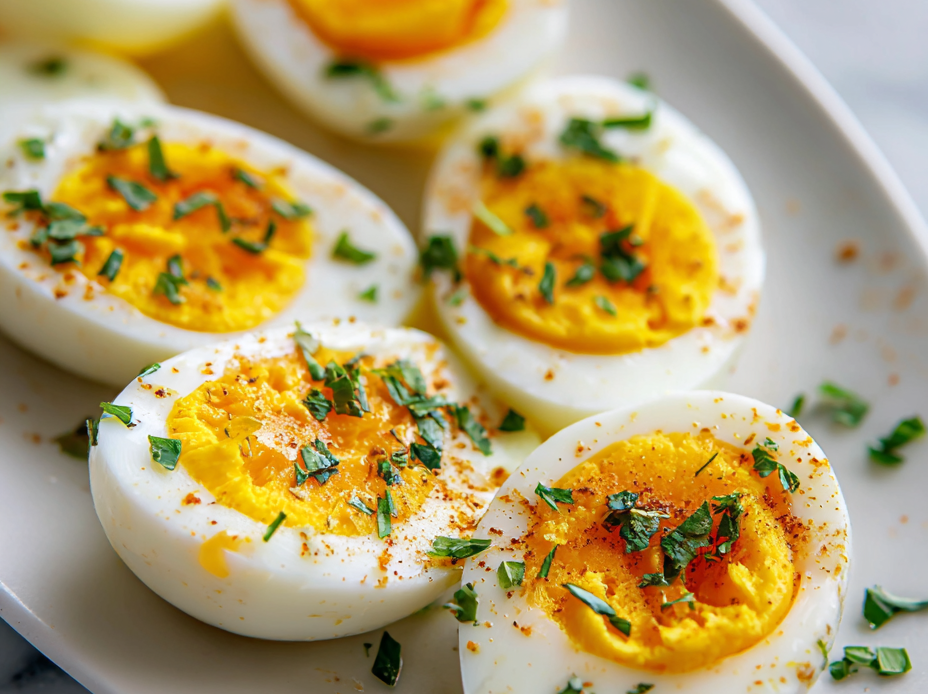
Boiled eggs might seem simple, but getting that perfect texture—firm yet tender, with a creamy yolk—can feel surprisingly elusive. It’s all about timing, and small adjustments can make a big difference in how they turn out. I’ve spent years experimenting, trying to crack the code, and now I want to share what I’ve learned about mastering this humble dish.
There’s something satisfying about the ritual of boiling eggs, especially when you pay close attention to the clock. It turns a basic pantry staple into a precise little science project, where every second counts. Whether you’re prepping for a quick breakfast or building a salad, knowing exactly how long to cook your eggs can elevate your game and save you from overcooking or undercooking.
This recipe isn’t just about making eggs; it’s about understanding their delicate nature. The difference between a slightly runny yolk and a chalky center can be measured in seconds, and that’s what makes this process feel like a small, personal victory each time. Once you get the timing right, it’s a skill you’ll want to revisit often, tweaking and perfecting as you go.
Focusing on the overlooked art of timing and texture in boiled eggs, emphasizing how small differences in cook time dramatically change the experience, making each batch a personal experiment in perfection.
The story behind this recipe
- I remember the first time I nailed the perfect boiled egg—firm whites, creamy yolk, no rubbery texture. It was like a little culinary victory that made me grin at the kitchen counter. Since then, I’ve come to see boiling eggs as a quiet ritual, a small act of precision that rewards patience and attention.
- This recipe came about from countless mornings rushing through breakfast, trying to get eggs just right without overthinking it. I realized that the secret isn’t some fancy technique, but rather honing in on timing and paying close attention to how they feel and smell during the process.
- Over the years, I’ve tweaked my approach based on egg size, altitude, and even my mood. Sometimes I want a yolk that’s still a little runny, other times fully set. This simple method helps me hit that sweet spot every time, making boiled eggs a dependable part of my day, no matter how chaotic it gets.
Key ingredients for perfect boiled eggs
- Eggs: I pick eggs that are a bit older; they tend to peel more easily, and I love that slightly tougher shell for easier handling. You might prefer fresher eggs—just be prepared for a trickier peel.
- Water: I use cold, fresh water to start because it heats evenly and prevents cracking. For a more controlled cook, I add a pinch of salt—helps with shell integrity and makes peeling smoother.
- Salt: I sprinkle a little salt into the water; it’s not just for flavor but also helps in peeling. If you find it too salty, skip it or reduce the amount, especially if you’re watching your sodium.
- Timing: I set my timer for exactly 9-10 minutes for a firm white and a yolk that’s creamy but not runny. Slightly under or over can change the whole experience—so I keep a close eye on the clock.
- Ice bath: I plunge the eggs into an ice water bath immediately after boiling. It stops the cooking instantly and makes peeling a breeze, plus it gives the eggs a refreshing chill that keeps them fresh longer.
- Peel technique: I crack the shell gently on a hard surface and peel from the wider end, where the air pocket is. It’s a small step that saves frustration and keeps the egg intact.
- Storage: I keep boiled eggs in the fridge, unpeeled, for up to a week. They stay firm and fresh, ready for a quick snack or salad addition whenever I need it.
Spotlight on key ingredients
Eggs:
- I pick eggs that are a bit older; they peel more easily and hold their shape well during boiling. Fresher eggs tend to be trickier to peel without tearing.
- Egg whites: During cooking, they turn firm and slightly opaque, providing a tender but resilient texture. Overcooking makes them rubbery, so timing is everything.
Water:
- I use cold, fresh water to start; it heats evenly and helps prevent cracking. The temperature and mineral content can subtly influence the shell’s integrity and the egg’s overall texture.
- Ice bath: Immediately plunging the eggs into ice water causes rapid cooling, which stops the cooking process and makes peeling much smoother. It also keeps the yolk from overcooking into a chalky mess.
Notes for ingredient swaps
- Eggs: I prefer older eggs for easier peeling, but fresher eggs give a more delicate shell—adjust your technique accordingly.
- Water: Use filtered or mineral water if your tap water has a strong taste; it won’t affect the cooking but improves overall flavor.
- Salt: Adding a pinch of salt helps with peeling and adds a subtle flavor, but skip it if you’re watching your sodium intake.
- Vinegar: A splash of vinegar in the boiling water can help soften the shell slightly, making peeling even easier—try lemon or apple cider vinegar for a bright note.
- Ice bath: If you don’t have ice, use very cold tap water—just as effective for halting the cooking process and easing peeling.
- Peeling method: Gently crack the shell and peel from the wider end where the air pocket is—this small trick prevents tearing and preserves the white.
- Storage: Keep boiled eggs unpeeled in the fridge for up to a week; peeling just before eating helps keep them looking neat and fresh.
Equipment & Tools
- Saucepan: Holds water and eggs for even heat transfer.
- Slotted spoon: Gently lowers and lifts eggs without cracking.
- Ice water bath: Stops cooking instantly and cools eggs for peeling.
- Kitchen timer: Tracks precise cooking time for perfect texture.
- Hard surface or cutting board: For cracking the shell gently.
Step-by-step guide to boiling eggs
- Equipment setup: Fill a saucepan with enough cold water to cover the eggs by at least an inch. Bring to a gentle simmer over medium heat (about 85°C/185°F).
- Prepare eggs: Gently lower eggs into the water using a slotted spoon. Keep the water at a gentle simmer, not a rolling boil to prevent cracking.
- Timing start: Once eggs are in, start your timer immediately. For a soft, jammy yolk, cook for 6-7 minutes; for a firmer center, aim for 9-10 minutes.
- Monitor water: Keep an eye on the water; it should stay at a gentle simmer. If it starts boiling vigorously, reduce the heat slightly to maintain gentle bubbles.
- Sensory check: During cooking, you might notice a faint crackling sound—this is normal. If water is bubbling too aggressively, remove eggs or reduce heat.
- Remove eggs: When time’s up, use a slotted spoon to transfer eggs into an ice water bath. Let them sit for at least 5 minutes to halt cooking and ease peeling.
- Peel carefully: Gently tap the egg on a hard surface to crack the shell, then peel from the wider end, starting at the air pocket. Rinse briefly if needed.
- Final touch: Pat eggs dry, then serve immediately or store in the fridge, unpeeled, for up to a week. They’re good for salads, snacks, or breakfast.
Transfer eggs to a bowl of cold water. Let sit for 5 minutes, then peel or store. Serve warm or chilled, as preferred.
How to Know It’s Done
- Egg whites are set and firm, with no translucency.
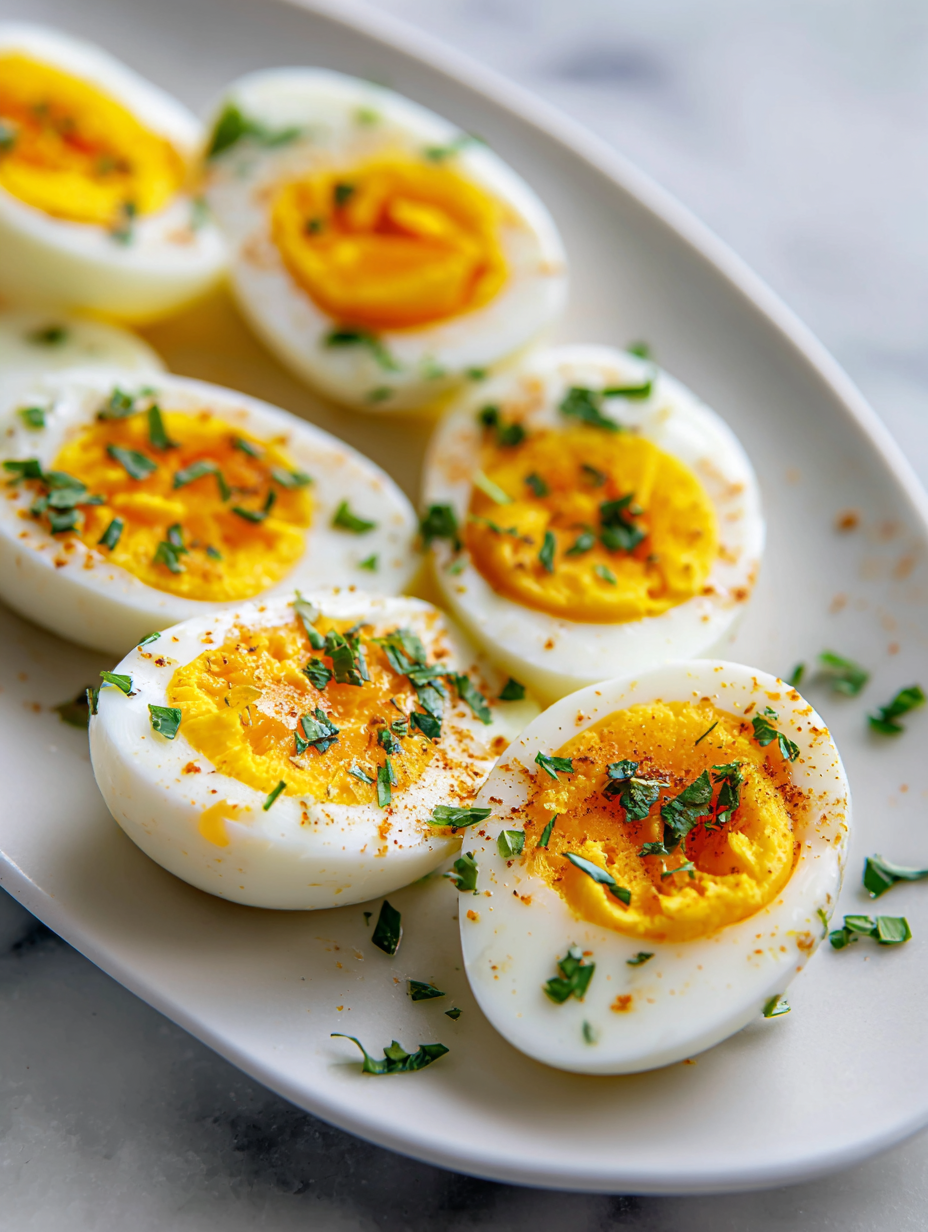
- Yolk is creamy but not runny, with a slightly softer center if desired.
- Shell cracks easily when tapped, and peeling reveals smooth, intact eggs.
Perfect Boiled Eggs
Ingredients
Equipment
Method
- Place the eggs in a single layer at the bottom of a saucepan and cover them with cold water, about an inch above the eggs.
- Add a pinch of salt to the water if desired, then place the saucepan over medium heat and bring the water to a gentle simmer, not a rolling boil.
- Once the water is bubbling gently, start your timer immediately and cook the eggs for 9 to 10 minutes for a firm white and creamy yolk.
- While the eggs cook, prepare an ice water bath by filling a bowl with cold water and plenty of ice cubes.
- When the timer goes off, use a slotted spoon to carefully transfer the eggs into the ice water bath, ensuring they are fully submerged.
- Let the eggs sit in the ice bath for at least 5 minutes, which stops the cooking process and cools the eggs for easier peeling.
- Gently crack the shell on a hard surface, then peel from the wider end where the air pocket is to prevent tearing the white.
- Rinse the peeled eggs briefly under cold water to remove any shell fragments, then pat dry with a towel.
- Serve immediately for a warm, creamy yolk or refrigerate unpeeled for up to a week for easy snacks or salad toppings.
Notes
Pro tips for perfect boiled eggs
- Bolded mini-head: Start with cold water → Prevents cracking by heating eggs gradually.
- Bolded mini-head: Use a gentle simmer → Keeps eggs from bouncing and cracking in boiling water.
- Bolded mini-head: Set a precise timer → Small seconds make big difference in yolk consistency.
- Bolded mini-head: Ice bath immediately → Stops cooking instantly, making peeling easier and cleaner.
- Bolded mini-head: Crack gently on a hard surface → Avoid tearing whites, peel from the air pocket side.
- Bolded mini-head: Adjust cooking time based on size → Larger eggs need an extra minute for perfect yolk.
- Bolded mini-head: Store unpeeled in fridge → Keeps eggs fresh for up to a week, ready to peel when needed.
Common mistakes and how to fix them
- FORGOT to start timing immediately → Use a dedicated timer for accuracy.
- DUMPED eggs into boiling water → Lower gently to prevent cracking.
- OVER-TORCHED eggs → Remove from ice bath quickly for perfect texture.
- SKIPPED ice bath → Always cool eggs immediately to stop cooking and ease peeling.
Quick fixes and pantry swaps
- When eggs crack during boiling, splash vinegar into water to help seal cracks.
- If eggs stick to the shell, dunk them in cold water before peeling for easier removal.
- Splash cold water if shells are too tough to peel — quick chill helps loosen membrane.
- Patch over cracked eggs with a tiny bit of egg white to seal small breaks before boiling.
- Shield delicate eggs by lowering them gently into water with a slotted spoon to prevent cracks.
Prep, store, and reheat tips
- You can prepare boiled eggs ahead of time by boiling them and then cooling in an ice bath. They keep well in the fridge for up to a week, unpeeled, maintaining their firm texture.
- For optimal freshness, store peeled eggs in an airtight container in the fridge. Consume within 3-4 days for best flavor and texture, noticing the whites stay firm and yolks creamy.
- Reheating boiled eggs isn’t necessary if served cold; if you prefer warm, gently reheat in hot water for a minute or two, watching for slight cracking or rubbery whites.
- Eggs that have been stored in the fridge may develop a slight sulfur smell if overheld, but this won’t impact their flavor if eaten within the recommended time. Peeling just before eating keeps them neat and fresh.
Top questions about boiled eggs
1. Why are my eggs hard to peel after boiling?
Use eggs that are about a week old; they peel more easily because their shells are slightly more porous. Fresh eggs can be trickier to peel, but you can still do it with patience and gentle cracking.
2. How do I avoid cracking eggs when boiling?
Place eggs into boiling water gently using a spoon to avoid cracks. Starting with cold water and gradually heating can also reduce cracking during initial immersion.
3. How long should I boil eggs for different yolk textures?
For a slightly runny yolk, boil for about 6-7 minutes. For fully set yolks, aim for 9-10 minutes. Use a timer for precision, and immediately plunge into ice water to stop cooking.
4. Why should I ice bath my boiled eggs?
Immediately submerge eggs in an ice bath for at least 5 minutes after boiling. This halts the cooking process, makes peeling easier, and cools the eggs for storage or immediate serving.
5. What’s the best way to peel boiled eggs?
Peel eggs by cracking the shell gently on a hard surface and peeling from the wider end where the air pocket is. Rinsing under cold water can help remove stubborn bits of shell.
6. How long do boiled eggs last in the fridge?
Store unpeeled boiled eggs in the fridge for up to a week. Keep them in a sealed container to prevent absorption of other fridge odors and to maintain freshness.
7. Can I reheat boiled eggs?
Reheat boiled eggs by placing them in hot water for a minute or two if you prefer warm eggs. Avoid microwaving, which can make whites rubbery and yolks chalky.
8. What if my boiled eggs are overcooked?
If eggs are overcooked, they may develop a greenish ring around the yolk and a sulfur smell. To fix slightly overcooked eggs, peel and rinse under cold water to halt further cooking.
9. How can I make peeling easier?
Adding a splash of vinegar or baking soda to the boiling water can help make peeling easier by softening the shell or adjusting pH levels.
10. What are some quick tricks for perfect boiled eggs?
For perfect boiled eggs, use a gentle simmer, not a vigorous boil. Keep an eye on water temperature and timing to avoid rubbery whites or undercooked yolks.
Boiled eggs are one of those humble staples that feel deceptively simple but hide a world of small tweaks. Getting that perfect texture—just firm enough whites with a creamy yolk—can turn a basic snack into a satisfying moment of mastery.
It’s funny how a simple egg, cooked with attention to seconds and temperature, can bring a quiet sense of achievement. Now, every time I peel one, I remember that small thrill of getting it just right, no matter what chaos is happening around me.

Hi, I’m Madison Greene, the creator behind Texture Obsessed. If you have ever fallen in love with the crunch of a perfectly toasted crust, the silkiness of a smooth custard, or the contrast between crispy and creamy in a single bite, then you already understand what inspires me.