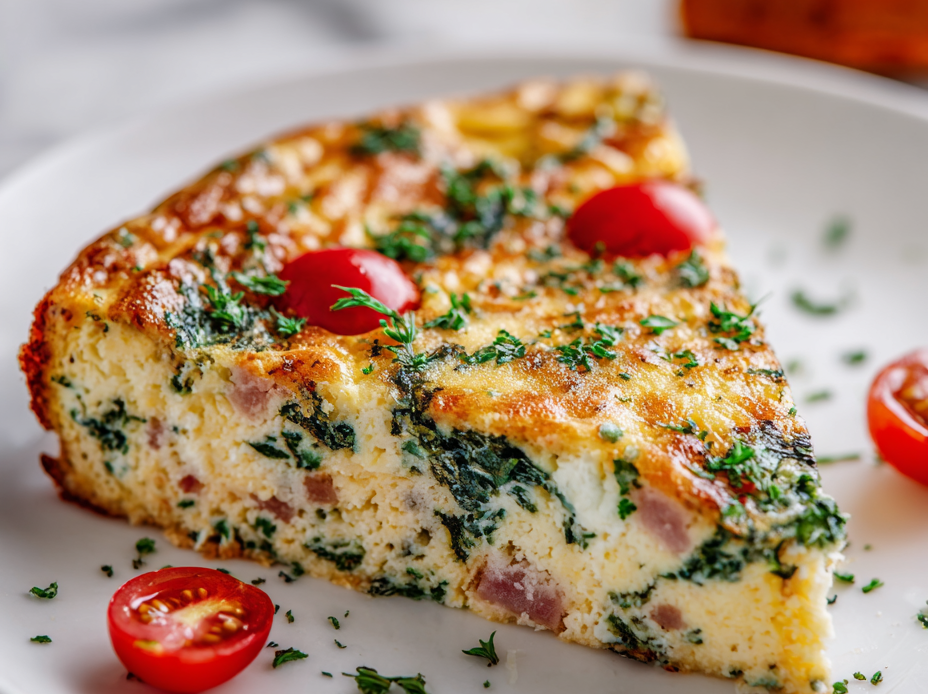
This crustless quiche is my fallback for busy mornings when I still want something hearty but don’t feel like rolling pastry. It’s all about the filling—cheesy, savory, and satisfying—without the fuss of a crust. I love how quick it comes together, especially when I have eggs and a handful of greens in the fridge that need using up.
It’s also a dish that feels like a warm embrace on chilly weekends. No matter if I serve it for breakfast, brunch, or a light dinner, it always feels like a small celebration of simple ingredients. Plus, it’s flexible enough to adapt to whatever cheese or vegetables I have on hand, which makes it a real kitchen workhorse.
This crustless quiche is my go-to for mornings when I want something filling but don’t want to fuss with pastry. It’s a no-crust, all-flavor dish that comes together fast and feels like a warm hug, especially on chilly weekends. I love how versatile it is—adaptable for breakfast, lunch, or a light dinner, and it’s a real canvas for whatever greens or cheeses I have lying around.
No-Crust, All Flavor
- This crustless quiche feels like a blank canvas I can tweak endlessly, which keeps my mornings exciting.
- I remember the first time I made it — the smell of melting cheese and fresh herbs filling the kitchen was pure comfort.
- There’s a quiet pride in pulling this together quickly, especially when guests drop by unannounced and I want something satisfying but simple.
- Honestly, it’s a relief to skip the crust and still end up with something rich, cheesy, and totally crave-worthy.
- Sometimes, I just need a dish that’s forgiving if I forget to buy a key ingredient — it’s that adaptable.
The story behind this recipe
- This recipe was born out of a busy weekend morning when I realized I had a bunch of leftover vegetables and some eggs that needed using up. Instead of fussing with pastry, I threw everything into a dish that’s quick, flexible, and wholesome. It felt like a small win to have something satisfying on the table with minimal effort.
- Over the years, I’ve kept coming back to this crustless quiche whenever I want a nourishing meal that doesn’t demand much prep. It’s become a bit of a kitchen secret for mornings when I need something warm and savory, but don’t want to spend ages in the kitchen. Plus, it’s a great way to clear out odds and ends from the fridge without wasting them.
- heading: The story behind this recipe
Trivia and historical tidbits
- This crustless quiche has roots in French cooking, evolving as a practical way to enjoy eggs and dairy without pastry fuss.
- It gained popularity in the 20th century as a versatile, low-carb option that could be easily adapted for dietary needs.
- In many households, it’s a go-to dish for using up leftover vegetables and cheeses, turning everyday ingredients into a satisfying meal.
- The idea of a crustless version likely emerged from the desire to cut carbs and reduce prep time, making it a quick comfort food.
Key ingredients explained
- Eggs: I rely on large, fresh eggs for a rich, custardy texture that’s satisfying with every bite. Swap for duck eggs if you want an even creamier feel.
- Cheese: I love a sharp cheddar for a punch of flavor, but a milder Swiss or Gruyère melts beautifully and adds a nutty note. Don’t skimp on the cheese; it’s the flavor anchor.
- Greens: Spinach is my go-to, wilts quickly and adds a vibrant, slightly earthy taste. Kale or Swiss chard work too — just chop and sauté briefly first.
- Milk or Cream: I prefer whole milk for a light, creamy base, but you can swap in half-and-half or a splash of heavy cream for extra richness. The smell of dairy melting is a cozy sign.
- Herbs & Seasonings: Fresh parsley or chives brighten the dish, and a pinch of nutmeg in the egg mixture adds warmth. Use what’s fresh and fragrant in your kitchen.
- Vegetables: I toss in leftover roasted veggies or sautéed mushrooms for texture and umami. Keep them small and cooked through so they blend seamlessly into the custard.
- Salt & Pepper: I season generously — eggs can handle it — and always taste the mixture before baking. It’s the small step that makes a big difference.
Spotlight on key ingredients
Eggs:
- I rely on large, fresh eggs for a rich, custardy texture that’s satisfying with every bite. Swap for duck eggs if you want an even creamier feel.
- Cheese: I love a sharp cheddar for a punch of flavor, but a milder Swiss or Gruyère melts beautifully and adds a nutty note. Don’t skimp on the cheese; it’s the flavor anchor.
- Greens: Spinach is my go-to, wilts quickly and adds a vibrant, slightly earthy taste. Kale or Swiss chard work too — just chop and sauté briefly first.
Cheese:
- Eggs: I rely on large, fresh eggs for a rich, custardy texture that’s satisfying with every bite. Swap for duck eggs if you want an even creamier feel.
- I love a sharp cheddar for a punch of flavor, but a milder Swiss or Gruyère melts beautifully and adds a nutty note. Don’t skimp on the cheese; it’s the flavor anchor.
- Greens: Spinach is my go-to, wilts quickly and adds a vibrant, slightly earthy taste. Kale or Swiss chard work too — just chop and sauté briefly first.
Notes for ingredient swaps
- Dairy-Free: Swap milk or cream for coconut milk or almond milk. The flavor will be lighter and slightly nutty, but still creamy.
- Cheese: Use a plant-based cheese or nutritional yeast for a cheesy flavor without dairy. Keep in mind it won’t melt quite the same.
- Greens: Kale or Swiss chard can replace spinach; sauté briefly first to tame bitterness and remove excess moisture.
- Eggs: Silken tofu blended smoothly can work as an egg substitute for a vegan version, adding a mild, custardy texture.
- Milk or Cream: Half-and-half or heavy cream can be swapped for a richer, silkier custard—just watch the quantity to avoid greasiness.
- Vegetables: Roasted bell peppers or sautéed mushrooms add smoky or umami notes, giving the quiche extra depth.
- Seasonings: Fresh herbs like basil or thyme can replace parsley or chives, bringing different aromatic profiles.
Equipment & Tools
- 20cm (8-inch) ovenproof skillet: Holds the mixture and transfers to oven for baking.
- Whisk: Blends eggs, milk, and seasonings thoroughly.
- Mixing bowl: Prepares the egg mixture separately before combining.
- Spatula: Spreads and folds ingredients evenly.
- Knife: Chops greens and cheese.
- Chopping board: Provides a stable surface for cutting.
- Measuring cups and spoons: Ensures accurate ingredient quantities.
Step-by-step guide to crustless quiche
- Gather your equipment: 20cm (8-inch) ovenproof skillet, whisk, mixing bowl, spatula, knife, chopping board, measuring cups, and spoon. Preheat your oven to 180°C (350°F).
- In the mixing bowl, crack open 4 large eggs. Whisk until fully combined, slightly frothy. Add ¾ cup milk or cream, salt, pepper, and a pinch of nutmeg. Whisk again until smooth.
- Prepare your greens: roughly chop 1 cup spinach or kale. In a skillet over medium heat (about 160°C / 320°F), sauté greens in a teaspoon of oil until wilted and fragrant, about 2 minutes. Let cool slightly.
- Dice ½ cup cheese (cheddar, Swiss, or your favorite). Combine with the cooled greens, then fold into the egg mixture. Stir gently, ensuring even distribution.
- Pour the mixture into your preheated skillet. Spread evenly with a spatula. Place in the oven and bake for 25-30 minutes. The top should turn golden, and the edges will pull away slightly from the pan.
- Check for doneness: the quiche should be set in the center, with a gentle jiggle. The edges should be lightly browned. If it jiggles too much, bake for another 5-minute intervals.
- Once baked, turn off the oven. Let the quiche rest for 5-10 minutes in the skillet—this helps finish setting the custard and makes slicing easier.
- Slice with a sharp knife, serve warm or at room temperature. Garnish with a sprinkle of fresh herbs if desired. Enjoy the creamy, fluffy texture with a slight crust on top.
Allow the quiche to rest in the skillet for 5-10 minutes. Slice into wedges, serve directly from the pan or transfer to a plate. Garnish with herbs if desired. The residual heat will finish setting the custard, making slices neat and tender.
How to Know It’s Done
- Centre of the quiche is firm but still tender, not runny.
- Edges are golden and slightly crisp, indicating proper baking.
- The quiche jiggles slightly in the center when gently shaken, then sets after resting.
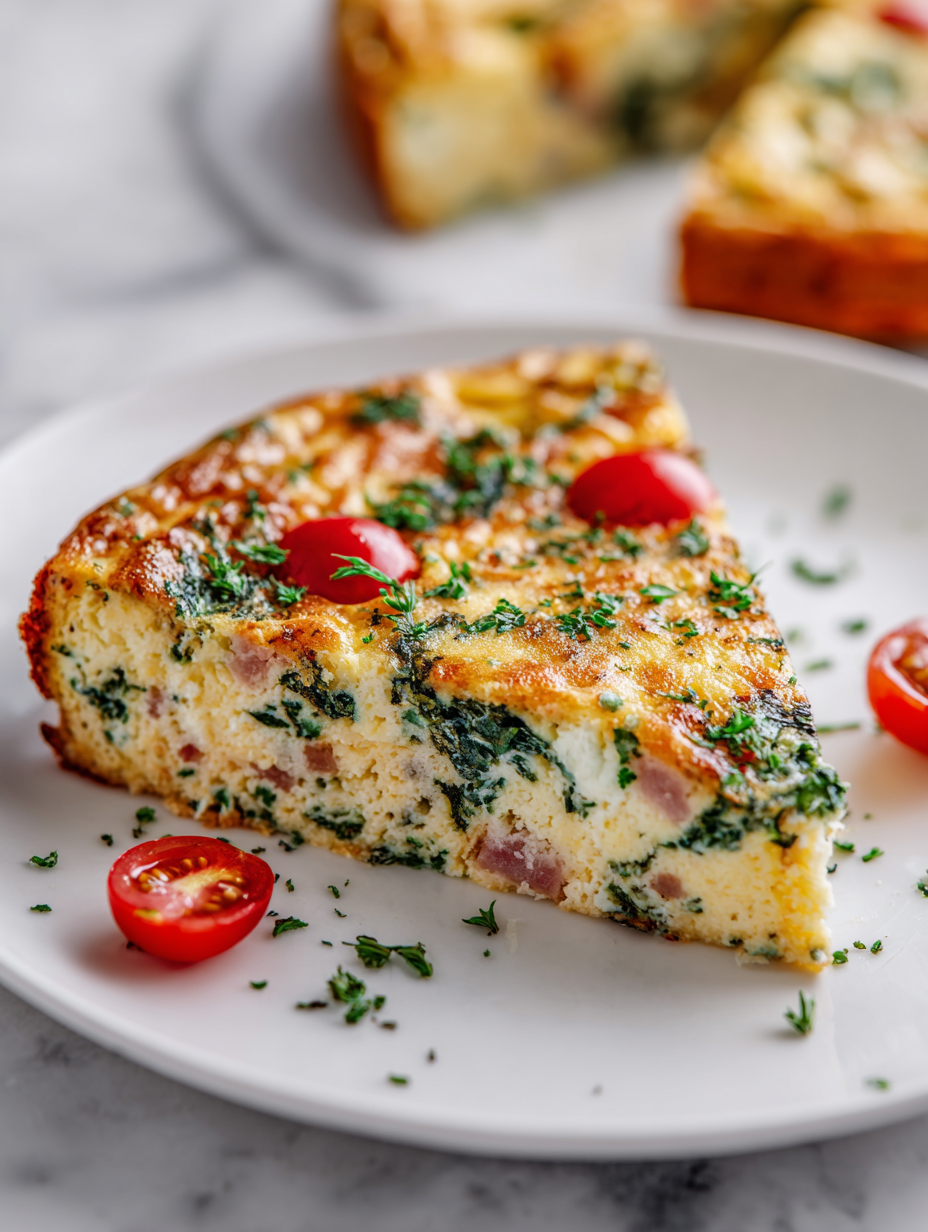
Crustless Savory Quiche
Ingredients
Equipment
Method
- Preheat your oven to 180°C (350°F), and place your ovenproof skillet inside to warm up slightly.
- In a mixing bowl, crack open the eggs and whisk until the yolks and whites are fully combined and slightly frothy.
- Add the milk or cream, salt, pepper, and nutmeg to the eggs, then whisk again until the mixture is smooth and uniform.
- Chop your greens into bite-sized pieces and sauté them in a teaspoon of olive oil over medium heat until wilted and fragrant, about 2 minutes. Let them cool slightly.
- Dice or shred your cheese and add it to the cooled greens, then gently fold this mixture into the egg mixture, ensuring even distribution.
- Pour the entire mixture into the preheated skillet, spreading it out evenly with a spatula. The mixture should be just below the rim of the skillet.
- Place the skillet into the oven and bake for 25 to 30 minutes, or until the top is golden brown and the edges are slightly crisp. The center should be just set but still slightly jiggly.
- Remove the skillet from the oven and let the quiche rest for about 5-10 minutes. This helps it finish setting and makes slicing easier.
- Slice the quiche into wedges with a sharp knife. The filling should be fluffy and custardy, with a lightly browned top.
- Serve warm or at room temperature, garnished with fresh herbs if desired. Enjoy the creamy, satisfying bite with a hint of crispness on top.
Notes
Pro tips for perfect crustless quiche
- Use a non-stick skillet for easy release and even cooking.
- Whisk eggs thoroughly until frothy to ensure a smooth custard base.
- Sauté greens until just wilted and fragrant—excess moisture can make the quiche soggy.
- Bake until edges are golden and the center jiggles slightly—avoid overbaking for a creamy texture.
- Rest the quiche for at least 5 minutes after baking—this helps set the custard and makes slicing neater.
- Use room temperature eggs for a more uniform mixture and better rise.
- Incorporate a pinch of nutmeg into the egg mixture—adds warmth without overpowering.
Common mistakes and how to fix them
- FORGOT to preheat oven → Always preheat to ensure even baking.
- DUMPED ingredients in without mixing → Mix thoroughly for a uniform custard.
- OVER-TORCHED edges → Cover with foil if edges brown too quickly.
- MISSED resting time → Rest at least 5 minutes for cleaner slices.
Quick fixes and pantry swaps
- If eggs separate, whisk in a splash of cold water to bring them back together.
- When mixture is too thick, splash in a little more milk and stir gently.
- Splash a few drops of lemon juice if the cheese turns too sharp or bitter.
- Patch a cracked skillet by placing a piece of aluminum foil underneath for a quick fix.
- Shield over-browning by tenting with foil and lowering oven temperature slightly.
Prep, store, and reheat tips
- Prepare the egg and vegetable mixture ahead of time; store in an airtight container in the fridge for up to 24 hours. The mixture may thicken slightly; give it a quick whisk before pouring.
- The baked quiche can be refrigerated for 2-3 days. Reheat slices in the oven at 160°C (320°F) for about 10 minutes until warmed through, watching for a slight shimmer on the surface.
- For longer storage, freeze individual slices wrapped tightly in plastic wrap and then in foil—best enjoyed within a month. Thaw overnight in the fridge before reheating.
- Reheating the quiche will soften the texture slightly, but the top will regain some crispness if you broil it for a minute or two—keep an eye to avoid over-browning.
- The flavors deepen and meld after a day or two, making leftovers even more satisfying. Just be mindful of moisture—if it seems watery, a quick reheat on a skillet can help regain some texture.
Top questions about crustless quiche
1. How do I get a fluffy texture?
Use fresh eggs for the best custardy texture, and beat them until frothy to ensure even mixing.
2. How do I know when it’s done?
A well-warmed skillet helps the eggs set evenly. Bake until the edges are golden and the center jiggles slightly.
3. Can I make it dairy-free?
You can substitute milk with almond or soy milk for a dairy-free version, but it might be a bit less rich.
4. Can I add other ingredients?
Yes, you can add cooked bacon, sautéed mushrooms, or caramelized onions for extra flavor and texture.
5. How do I prevent sticking?
Use a non-stick skillet or line it with parchment to prevent sticking. Let it cool slightly before slicing.
6. How should I reheat leftovers?
Reheat slices in the oven at 160°C (320°F) for about 10 minutes until warmed through, or microwave for quick leftovers.
7. What herbs or spices work well?
Adding a pinch of nutmeg or freshly chopped herbs like parsley or chives enhances the flavor subtly.
8. What are common overbaking signs?
Overbaking can dry out the quiche. Keep an eye on the edges turning golden and the center just set.
9. Why should ingredients be at room temperature?
Use room temperature eggs and milk for a smoother mixture that bakes evenly and rises better.
10. Can I prepare this in advance?
You can make the filling ahead and store it in the fridge for up to 24 hours before baking for convenience.
This crustless quiche is a quiet staple in my kitchen, especially on mornings when I need something warm and reliable. It’s simple, honest food that’s satisfying without fuss, perfect for those busy weekends or when I crave a gentle, savory start.
Even now, I find comfort in its versatility—playing with different greens, cheeses, and herbs. It’s a dish that feels like a small act of kindness, a straightforward way to nourish myself and whoever’s at the table, no matter the day.

Hi, I’m Madison Greene, the creator behind Texture Obsessed. If you have ever fallen in love with the crunch of a perfectly toasted crust, the silkiness of a smooth custard, or the contrast between crispy and creamy in a single bite, then you already understand what inspires me.