
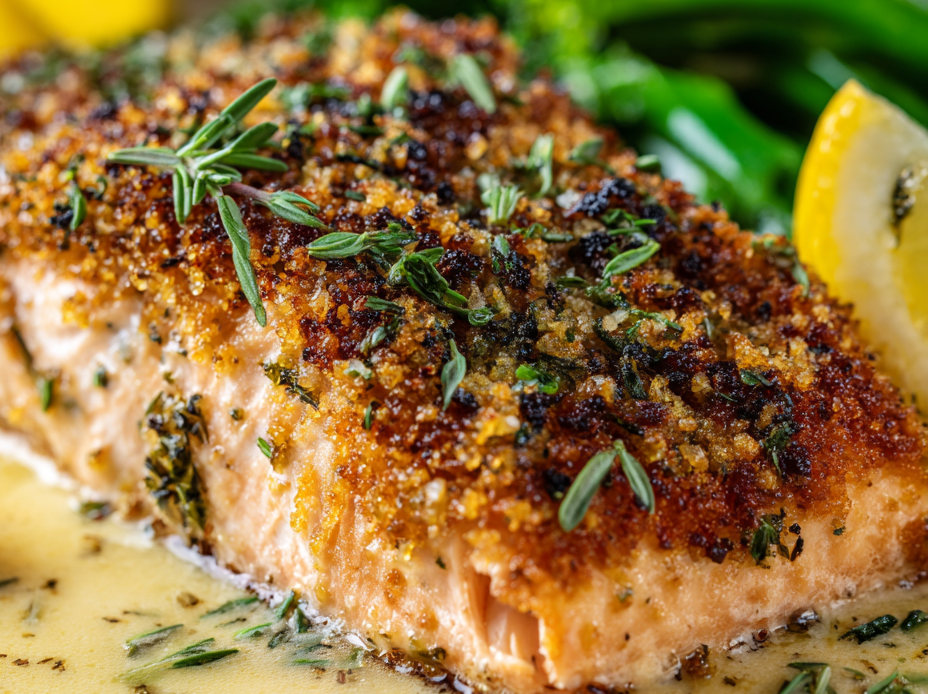
Crispy skin salmon might seem straightforward, but there’s a secret that often gets overlooked: the resting time after searing. It’s that little pause that lets the skin crisp up even more and the juices redistribute inside, giving you that perfect bite every time. Honestly, I used to rush through it, thinking searing was all I needed, but once I slowed down and let it rest, the texture changed completely.
This recipe isn’t just about getting crispy skin; it’s about understanding that patience makes all the difference. The moment you take the fish off the heat and let it sit—just a few minutes—you’ll notice the skin stays crackly, the flesh stays moist, and the flavors deepen. It’s a small step, but it transforms your entire approach to cooking fish, making every piece feel like a special occasion.
Focusing on the overlooked importance of the fish’s resting time after searing to achieve maximum crispiness and flavor, just like resting a steak for perfect texture.
The overlooked resting step
- Crispy skin salmon always makes me feel like I’ve nailed a restaurant-level dish, even on a busy weeknight.
- There’s a quiet satisfaction in hearing that satisfying crack when I finally cut into the skin—like a small victory.
- I used to rush the resting, but now I see it’s the secret to keeping that skin crispy and the flesh tender.
- Cooking salmon this way reminds me to slow down and enjoy the process—good things take a little patience.
- Nothing beats the smell of seared salmon filling the kitchen—rich, smoky, with a hint of lemon-bright freshness.
The story behind this recipe
- Cooking this salmon has become a little ritual for me. I used to rush the searing, aiming for quick results, but I realized the secret was in the pause afterward. That resting moment isn’t just a break; it’s when the magic happens—skin stays crackly, flesh stays juicy. It’s a simple step, but it changed how I see this fish.
- Every time I serve it, I think back to my first attempt—messy, hurried, not quite right. Now, I take my time, and that patience pays off in every crispy bite. It’s a small act of kindness to the fish—and to myself—to let it rest a few minutes before digging in.
- heading: The overlooked resting step
Contextual origin, trivia, or history
- Crispy skin salmon’s popularity surged in Japanese cuisine, where masterful searing techniques have been refined over centuries.
- The technique of crisping fish skin dates back to ancient Asia, where fishermen would cook their catch over open flames, preserving the delicate flesh beneath.
- In Nordic countries, salmon with crispy skin is a traditional celebration dish, often served during festive gatherings as a symbol of prosperity.
- The word ‘salmon’ originates from Latin ‘salmo,’ which hints at its long-standing culinary and cultural significance across Europe and beyond.
Key ingredients for crispy skin salmon
- Salmon fillet: I prefer skin-on for that extra crunch and flavor; make sure it’s dry so it crisps well—pat it with paper towels before cooking.
- Salt: I use a generous pinch to draw out moisture and enhance flavor; don’t be afraid to season the skin liberally for maximum crispness.
- Oil: I opt for a high-smoke-point oil like grapeseed or canola; it helps achieve that deep, golden crackle without burning.
- Lemon: Brightens up the rich salmon; I squeeze it right after searing for a fresh, zesty finish—skip if you prefer a subtler flavor.
- Herbs (like thyme or dill): I add at the end for a whisper of herbal aroma; they’re optional but add dimension if you love fresh notes.
- Black pepper: I crack it freshly over the skin before searing; it adds a subtle pungency and enhances the crispy texture with a slight smoky bite.
- Optional glaze: I sometimes brush with a honey-soy mix for a sweet-savory finish; be mindful that it can caramelize quickly, so watch the heat.
Key Ingredients for Crispy Skin Salmon
Salmon:
- Salmon fillet: I prefer skin-on for that extra crunch and flavor; make sure it’s dry so it crisps well—pat it with paper towels before cooking.
- Salt: I use a generous pinch to draw out moisture and enhance flavor; don’t be afraid to season the skin liberally for maximum crispness.
- Oil: I opt for a high-smoke-point oil like grapeseed or canola; it helps achieve that deep, golden crackle without burning.
Lemon & Herbs:
- Lemon: Brightens up the rich salmon; I squeeze it right after searing for a fresh, zesty finish—skip if you prefer a subtler flavor.
- Herbs (like thyme or dill): I add at the end for a whisper of herbal aroma; they’re optional but add dimension if you love fresh notes.
- Black pepper: I crack it freshly over the skin before searing; it adds a subtle pungency and enhances the crispy texture with a slight smoky bite.
Notes for ingredient swaps
- Oily Fish: If salmon isn’t available, try Arctic char or trout. They have a similar texture but slightly milder flavor.
- Salt: Use coarse sea salt or kosher salt for better crust formation. Fine salt might make the skin less crispy.
- Oil: Swap in clarified butter or ghee for a richer, slightly smoky flavor. Just watch the heat so it doesn’t burn.
- Lemon: Lime or orange zest can add a different citrus note—bright and vibrant, perfect for summer vibes.
- Herbs: Fresh parsley or chives work instead of dill or thyme. They add freshness without overpowering the fish.
- Pepper: White pepper offers a subtler heat, which won’t distract from the crispy skin but still adds a gentle spice.
- Glaze: Try a miso or hoisin glaze for an umami punch. Be mindful of the sugar content to prevent burning during searing.
Equipment & Tools
- Non-stick or cast iron skillet: Provides even heat and helps achieve a crisp skin.
- Spatula: Turns the fish gently without damaging the skin.
- Paper towels: Drys the fish thoroughly for maximum crispness.
- Kitchen thermometer: Checks internal temperature for perfect doneness.
Step-by-step guide to pan searing
- Equipment & Tools: Use a non-stick or cast iron skillet, a fish spatula, paper towels, and a kitchen thermometer. The skillet ensures even heat, while the spatula helps flip gently.
- Pat the salmon dry thoroughly with paper towels—moisture is the enemy of crisp skin. Season generously with salt on both sides, especially on the skin side.
- Heat the skillet over medium-high heat until hot, about 2-3 minutes. Add a tablespoon of oil, swirling to coat the bottom. The oil should shimmer and slightly smoke.
- Place the salmon skin-side down in the hot oil. Press gently with a spatula for about 10 seconds to prevent curling. Cook without moving for 4-5 minutes, until the skin is deep golden and crisp.
- Flip the salmon carefully using the spatula. Cook for another 2-3 minutes, aiming for an internal temperature of 50-52°C (122-125°F) for medium-rare. The flesh should flake easily but still look moist.
- Remove the fish from the skillet and place on a wire rack or plate. Do not cover or stack—air circulation keeps the skin crispy. Rest for 3 minutes to allow juices to redistribute.
- Finish with a squeeze of lemon or fresh herbs if desired. Serve immediately, skin crackling with a slight jiggle in the flesh.
Let the salmon rest on a wire rack or plate for 3 minutes. Finish with a squeeze of lemon or herbs. Serve immediately to enjoy the crispy skin and tender flesh at its best.
How to Know It’s Done
- The skin should be deeply golden and crispy, with a crackling sound when pressed.
- The flesh should be opaque and flake easily with a gentle touch, but still moist inside.
- The internal temperature should reach 50-52°C (122-125°F) for optimal doneness.
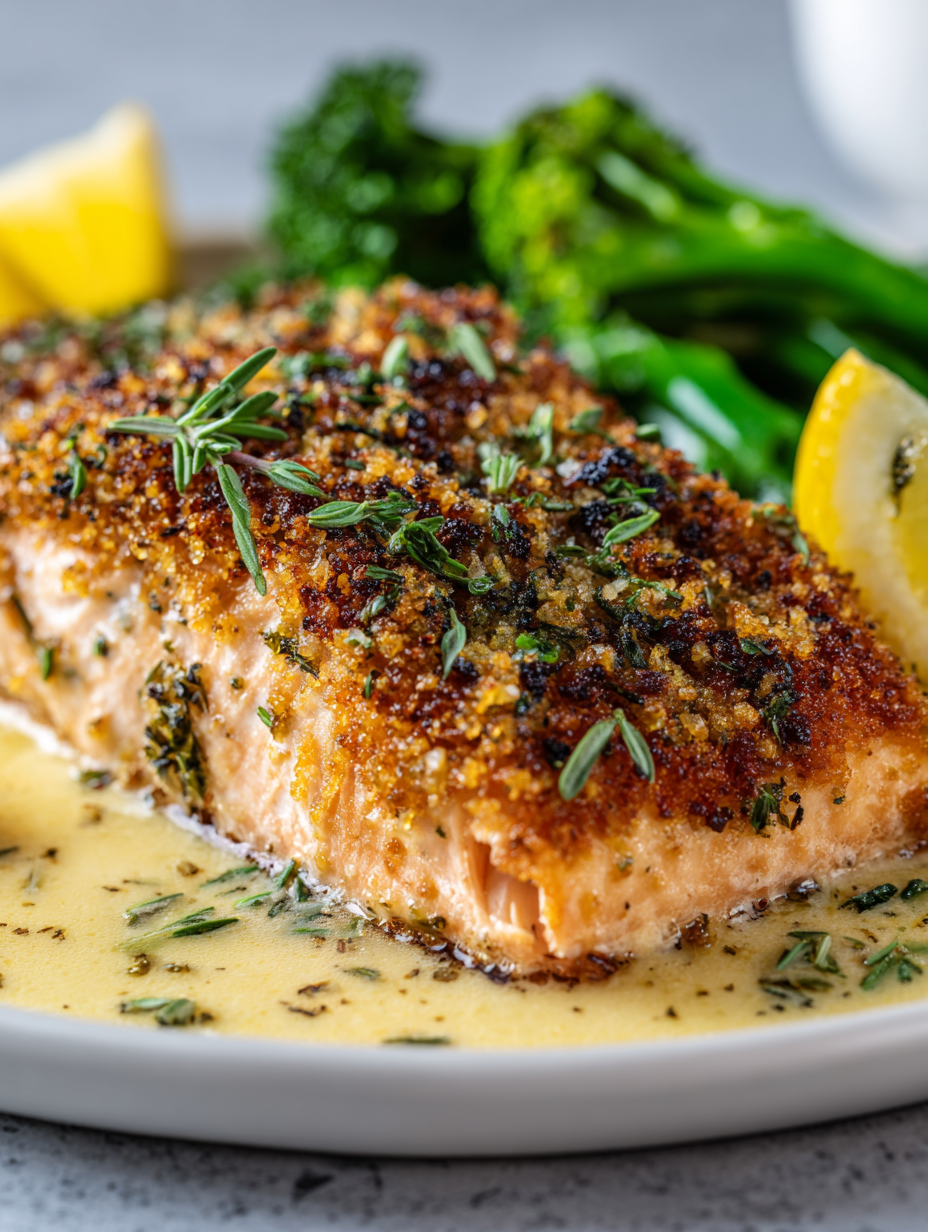
Crispy Skin Salmon with Resting Technique
Ingredients
Equipment
Method
- Begin by patting the salmon fillets thoroughly dry with paper towels to remove excess moisture, especially on the skin. Lightly season the skin side with a generous pinch of coarse sea salt and freshly cracked black pepper.
- Heat your skillet over medium-high heat until it’s hot and shimmering—this takes about 2-3 minutes. Add the high-smoke-point oil and swirl it around to coat the bottom evenly. You should see a slight shimmer and smell a nutty aroma.
- Carefully place the salmon fillets skin-side down into the hot oil, pressing gently with a spatula for about 10 seconds to prevent curling. You should hear a consistent sizzle and see the skin start to turn a deep golden brown.
- Cook the salmon undisturbed for 4-5 minutes. During this time, the skin will crisp up and turn a rich, deep golden color. The flesh will start to turn opaque around the edges, and you'll notice a crackling sound as the skin crisps.
- Gently flip the salmon using a spatula, being careful not to tear the skin. Cook for an additional 2-3 minutes, until the internal temperature reaches about 50-52°C (122-125°F) for medium-rare, and the flesh flakes easily.
- Remove the salmon from the skillet and transfer it to a wire rack or plate. Do not cover or stack; let it rest for 3 minutes. This pause allows the juices to redistribute and helps the skin stay crackly and crisp.
- Once rested, squeeze fresh lemon over the salmon and sprinkle with chopped herbs if desired. Serve immediately to enjoy the crispy skin with tender, flaky flesh.
Notes
Pro tips for crispy skin salmon
- Start with dry skin: Pat the salmon thoroughly with paper towels to remove moisture for maximum crispness.
- Use high-smoke-point oil: Grape seed or canola oil helps achieve a deep, crackling skin without burning.
- Press down when starting: Gently press the fish into the pan for the first 10 seconds to prevent curling and ensure even searing.
- Don’t overcrowd the pan: Cook in a single layer on medium-high heat to promote crisping and prevent steaming.
- Let it rest: After searing, rest the fish for 3 minutes to let the skin stay crackly and the juices settle.
- Finish with citrus: A squeeze of lemon right after cooking brightens the rich, crispy skin with fresh acidity.
- Avoid flipping too early: Wait until the skin is deep golden and crisp before flipping, about 4-5 minutes.
Common mistakes and how to fix them
- FORGOT to dry the fish thoroughly—use paper towels to prevent steaming.
- DUMPED oil into a cold pan—heat it until shimmering for crisp skin.
- OVER-TORCHED the oil—remove from heat if it starts smoking excessively.
- SKIPPED resting time—let the fish sit for 3 minutes for optimal crispiness and juiciness.
Fast fixes for crispy skin salmon
- When skin isn’t crispy, splash a little more hot oil and sear longer.
- If fish sticks to the pan, patch with a gentle nudge and add more oil.
- Overcooked skin? DUMP the fish, then sear again with a fresh pan and oil.
- When skin loses crunch, shield it briefly with foil and re-crisp in hot pan.
- If skin isn’t crackling, swap in rice bran or sesame oil for extra smoky shimmer.
Prep, store, and reheat tips
- Prep the salmon by drying and seasoning it the night before; keep it uncovered in the fridge to maintain surface dryness for extra crispness.
- Store cooked salmon in an airtight container in the fridge for up to 2 days; reheat gently in a hot skillet until skin crackles again.
- The flavors deepen slightly after a day, but the skin may lose some crispness; best enjoyed fresh for maximum crunch.
- To reheat without losing crispiness, place the salmon skin-side down in a hot pan for a minute or two until warm and crackly. Sensory cue: smell should be smoky and fresh, skin crackling under the spatula.
Common Questions about Crispy Skin Salmon
1. Does the pan need to be hot before adding the fish?
Yes, starting with a very hot pan is key. It creates that initial crackly, golden crust that defines crispy skin.
2. Should I dry the salmon before searing?
Absolutely. Pat the salmon dry thoroughly; moisture is the enemy of crispness, making the skin soggy instead of crackly.
3. Can I use butter instead of oil?
Use oil with a high smoke point like grapeseed or canola. It resists burning and helps develop that deep, crispy skin.
4. Is butter a good choice for searing?
Yes, but butter burns quickly. Clarified butter or ghee is better if you want rich flavor without burning.
5. How long should I rest the salmon after cooking?
Rest the fish for about 3 minutes after searing. This helps the skin stay crackly and the juices to redistribute.
6. How do I know when the salmon is done?
Look for a deep golden, crackling skin and an internal temperature around 50-52°C (122-125°F). The flesh should flake easily but still be moist.
7. What if the skin isn’t crispy enough?
If the skin isn’t crispy, increase the heat slightly and cook a bit longer, pressing down for better contact. If it burns, reduce heat.
8. When should I flip the salmon?
Use a fish spatula to gently flip the salmon. Wait until the skin is deeply golden and crispy before turning.
9. Can I cook multiple pieces at once?
Overcrowding the pan causes steaming instead of searing. Cook in a single layer for best crunch.
10. How do I reheat for crispy skin?
Yes, reheat in a hot skillet for a minute or two, skin-side down, until it crackles again. The smell of smoky oil helps confirm it’s ready.
Crispy skin salmon is more than just a dish; it’s a lesson in patience and respect for the ingredients. That crackly, golden skin and tender flesh make every effort worthwhile, especially when you’ve let it rest just enough. It’s a simple recipe, but it’s rooted in a small act of mindfulness that elevates the entire experience.
In a season when we’re craving comfort with a touch of elegance, this dish offers both. Whether it’s a weeknight dinner or a weekend treat, the satisfying crunch and fresh zing of lemon remind me why I keep coming back to this method—slow, deliberate, honest cooking that rewards every time.

Hi, I’m Madison Greene, the creator behind Texture Obsessed. If you have ever fallen in love with the crunch of a perfectly toasted crust, the silkiness of a smooth custard, or the contrast between crispy and creamy in a single bite, then you already understand what inspires me.